The Man Who Gave Power Away
Mírzá Maḥmúd-i-Zarqání, Mahmúd's Diary: The Diary of Mírzá Maḥmúd-i-Zarqání, (1998), George Ronald
When in Bahá'í history
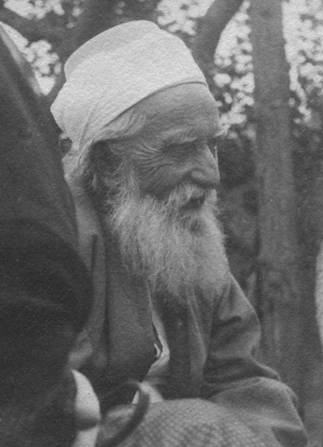
A retelling for children, based on Mahmúd's Diary (entry of 25 April 1912).
One spring morning, 'Abdu'l-Bahá stepped onto a riverboat. With Him came a few of His American friends — Mr. and Mrs. Parsons, His helper Dr. Faríd, and a young man named Mírzá Maḥmúd, who knew two languages and could turn 'Abdu'l-Bahá's Persian words into English so everyone could understand.
The boat pushed off and floated down a wide river called the Potomac, away from the busy city of Washington. 'Abdu'l-Bahá had asked, ahead of time, to go to a special place that day. It was an old farm called Mount Vernon — the home, long ago, of a man named George Washington, the very first president of America.
When the boat reached the dock, the little group walked up a long path through the gardens until the big farmhouse came into view.
Inside, 'Abdu'l-Bahá went slowly from room to room, looking carefully at everything, the way He always looked closely at the small things wherever He went. He saw the plain dining room, where the food had been served simply. He saw the well-worn study where Washington had done his work. He saw the ordinary bedroom where the great president had slept, and the little library with its small shelf of books. For a man who had once led a whole country, his home was surprisingly simple.
Then 'Abdu'l-Bahá walked on, to a quiet corner of the farm. There, behind a gate, was the tomb where George Washington and his wife were buried.
'Abdu'l-Bahá stood very still at the gate. For a few long moments He said nothing at all. And then He did something He did not do at most places He visited in America: He lifted the turban from His head, as a sign of deep respect.
When at last He spoke, His words were short:
The greatness of this man is that he laid down power when he might have kept it.
Then He explained what He meant, and Mírzá Maḥmúd wrote it down so it would not be forgotten.
Think about it, 'Abdu'l-Bahá said. George Washington had won a long, hard war. When it was over, his soldiers wanted to make him a king — he could have ruled for the rest of his life if he had wished. But he didn't. He simply went home to this quiet farm and became a farmer again. Later, when his country called him back to serve as president, he served — and then, when he could have stayed in power even longer, he chose to step down and go home once more.
That, 'Abdu'l-Bahá explained, was the truly great thing about him: not that he had won battles or become famous, but that he was willing to let go of power when the right time came.
And it isn't only true for presidents, He went on. The real test of any good person — a soldier, a leader, a rich businessman, a teacher of religion — is whether they can hold whatever power they have lightly. Can they open their hands and give it up when the proper hour arrives? A country built by people willing to do that, He said, was built on a strong and right foundation.
In the afternoon, the little group climbed back onto the boat and sailed up the river to the city. The visit had been short, but Mírzá Maḥmúd remembered it as one of the most thoughtful days of the whole long journey across America.
Most of us spend a lot of time wanting more — more turns, more say, more of our own way. But 'Abdu'l-Bahá taught His friends that day that the bravest and noblest thing is sometimes the opposite: to be willing to step back, to open your hands, and to give up what you could have kept. Holding power lightly, and letting it go when the time is right, is one of the truest signs of a great heart.
This is a retelling for children. For the fuller account, see "Pilgrimage to Mount Vernon".
Cite this story
Maḥmúd-i-Zarqání, M.. (1998). *Mahmúd's Diary: The Diary of Mírzá Maḥmúd-i-Zarqání*. George Ronald.
This story shares quotes with 1 other story
“The greatness of this man is that he laid down power when”
Also in
- Pilgrimage to Mount Vernon— Mírzá Maḥmúd-i-Zarqání, Mahmúd's Diary: The Diary of Mírzá Maḥmúd-i-Zarqání
Record yourself reading this story
Recording stays on this device only. Nothing is uploaded.
Related stories
Pilgrimage to Mount Vernon
Mahmúd's Diary records 'Abdu'l-Bahá's visit to Mount Vernon — the Virginia plantation home of George Washington — on April 25, 1912. The Master walked through the house and grounds, paid respects at Washington's tomb, and remarked on the meaning of the place for the American Republic.
The Long Ride to Portland
On a train climbing over the great mountains, 'Abdu'l-Bahá looked out at the new railway and saw something wonderful — a world that could one day be joined together like one big family.
Aboard the Train to Portland
Mahmúd's Diary records the long train journey of 'Abdu'l-Bahá and His party from Salt Lake City to Portland in early October 1912 — the steady westward crossing of the Rockies and the Cascades, the Master's hours of conversation in the parlour car, and the slow preparation for the Pacific coast portion of the journey.
A Great Ship Comes to New York
When 'Abdu'l-Bahá first stepped off a great ship onto American shores, reporters crowded close to ask why He had come — and His answer was about peace for the whole world.