Pilgrimage to Mount Vernon
Mírzá Maḥmúd-i-Zarqání, Mahmúd's Diary: The Diary of Mírzá Maḥmúd-i-Zarqání, (1998), George Ronald
When in Bahá'í history
Mount Vernon (today: Mount Vernon, Virginia, USA)
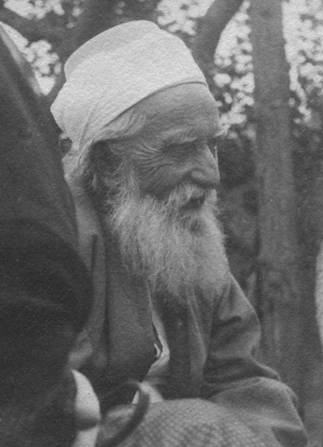
On the morning of the 25th of April, 1912, 'Abdu'l-Bahá and a small party of His American hosts — Mr. and Mrs. Arthur Parsons, Mírzá Maḥmúd, Dr. Faríd, and one or two others — made the short journey from Washington, D.C. by riverboat down the Potomac to Mount Vernon, the Virginia plantation that had been the home of George Washington. The Master had asked, in advance, that the visit be included in the Washington itinerary. Mr. Parsons had arranged it.
The boat reached the Mount Vernon dock by mid-morning. The party walked up the long path through the gardens to the mansion. The Master, accompanied by Mahmúd as his interpreter, toured the rooms with the same close attention He had given to the small things of every American visit. He noted the modesty of the dining room; the well-used study; the serviceable bedroom in which the first president had slept; the small library with its modest collection of books.
The party then walked on to the tomb in the corner of the property where Washington and his wife are buried. The Master stood at the gate of the tomb in silence for some moments. Mahmúd records that He removed His turban — a gesture of personal respect that He did not make at every American site He visited.
When He spoke, the words He gave were brief.
The greatness of this man is that he laid down power when he might have kept it.
Mahmúd preserves the explanation that followed. The Master named, in the few minutes He stood at the tomb, the central fact of Washington's career: that he had won a great war, had been offered by his army in effect a kingship, had instead returned to his farm at Mount Vernon, had served two terms as president when called back, and had then declined a third to retire again to private life. This pattern of voluntary renunciation, the Master said, was the spiritual signature of the American republic at its founding. It was what Persia under the Qájárs had not had. It was what every aging monarchy in the world should consider at its own peril.
He went on to extend the principle: that the test of a virtuous person — whether a soldier, a politician, a wealthy businessman, or a religious leader — is whether they can hold power lightly enough to relinquish it when the proper hour for relinquishment arrives. The American Republic, in this respect, had been built on the right foundation. Its preservation through future centuries would depend on the continuing willingness of its leaders to renounce the powers they could no longer rightly keep.
The party returned by boat to Washington in the afternoon. The brief visit to Mount Vernon was, in Mahmúd's record, one of the most reflective moments of the American tour. The Master had stood at the grave of an American founder, had removed His turban, and had named the great virtue of renunciation as the spiritual virtue on which the entire American experiment had rested.
Paraphrased from Mahmúd's Diary: The Diary of Mírzá Maḥmúd-i-Zarqání (George Ronald, 1998), entry for April 25, 1912; see original for full text.
Cite this story
Maḥmúd-i-Zarqání, M.. (1998). *Mahmúd's Diary: The Diary of Mírzá Maḥmúd-i-Zarqání*. George Ronald.
This story shares quotes with 1 other story
“The greatness of this man is that he laid down power when”
Also in
- The Man Who Gave Power Away— Mírzá Maḥmúd-i-Zarqání, Mahmúd's Diary: The Diary of Mírzá Maḥmúd-i-Zarqání
Record yourself reading this story
Recording stays on this device only. Nothing is uploaded.
Related stories
The Man Who Gave Power Away
'Abdu'l-Bahá sailed down a river to an old farmhouse, stood quietly at a great man's grave, and taught His friends the hardest, bravest thing a powerful person can do.
The Long Ride to Portland
On a train climbing over the great mountains, 'Abdu'l-Bahá looked out at the new railway and saw something wonderful — a world that could one day be joined together like one big family.
Aboard the Train to Portland
Mahmúd's Diary records the long train journey of 'Abdu'l-Bahá and His party from Salt Lake City to Portland in early October 1912 — the steady westward crossing of the Rockies and the Cascades, the Master's hours of conversation in the parlour car, and the slow preparation for the Pacific coast portion of the journey.
A Great Ship Comes to New York
When 'Abdu'l-Bahá first stepped off a great ship onto American shores, reporters crowded close to ask why He had come — and His answer was about peace for the whole world.