A Great Ship Comes to New York
Mírzá Maḥmúd-i-Zarqání, Mahmúd's Diary: The Diary of Mírzá Maḥmúd-i-Zarqání, (1998), George Ronald
When in Bahá'í history
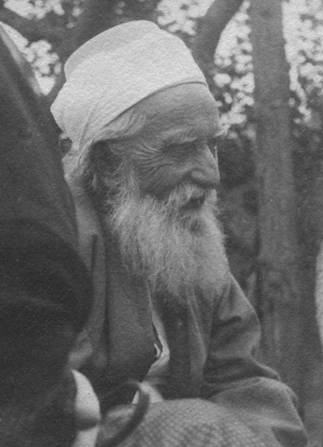
A retelling for children, based on Mahmúd's Diary, the journal kept by Mírzá Maḥmúd-i-Zarqání, who travelled with 'Abdu'l-Bahá (entries of 11 and 14 April 1912).
On a spring morning in 1912, a great ship called the Cedric sailed into the harbour of New York. On board was 'Abdu'l-Bahá. He had crossed the ocean from Egypt, and He had already visited Paris and London. Not long before, He had been a prisoner for many years. Now He had come to America.
Many Bahá'í friends stood in a line on the pier, waving their hats and handkerchiefs. When the ship stopped, newspaper reporters came on board. They wanted to know why 'Abdu'l-Bahá had made this long journey. He told them:
Our object is universal peace and the unity of humankind.
He said He had come to meet the people in America who were working for peace. The reporters asked many more questions, and He answered them all. Then they asked to take His photograph, and He let them. He asked the friends waiting on the pier to go to a friend's house, where He would meet them that afternoon.
Three days later, 'Abdu'l-Bahá spoke at a church in New York called the Church of the Ascension. It was the first church in America that He visited. The people sat very still, listening to every word, and at the end He chanted a prayer. As He left, crowds pressed close around Him. One woman held on to the hem of His robe. She was crying so hard that she could not speak, and 'Abdu'l-Bahá comforted her with loving words.
This was only the beginning. 'Abdu'l-Bahá stayed in America and Canada until December, travelling from city to city and speaking about peace and the oneness of all people.
This is a retelling for children. For the fuller account, see "The Master Arrives in New York".
Cite this story
Maḥmúd-i-Zarqání, M.. (1998). *Mahmúd's Diary: The Diary of Mírzá Maḥmúd-i-Zarqání*. George Ronald.
Record yourself reading this story
Recording stays on this device only. Nothing is uploaded.
Related stories
The Master Arrives in New York
When the Cedric reached New York on 11 April 1912, reporters came aboard to ask 'Abdu'l-Bahá why He had come. He told them His object was universal peace and the unity of humankind.
Saying Goodbye on the Celtic
On December 5, 1912, many friends came aboard the ship Celtic in New York to say goodbye to 'Abdu'l-Bahá. In His last words to them He said that the whole earth is one globe and all nations are one family.
Farewell Aboard the Celtic
On December 5, 1912, Mahmúd's Diary records, a great crowd of believers from New York and other cities filled the lounge of the SS *Celtic* to bid 'Abdu'l-Bahá farewell. In His parting address He summed up the teaching of His American journey: the whole earth is one globe, and all nations one family.
An Evening at Columbia University
On 19 April 1912, His last evening in New York, 'Abdu'l-Bahá spoke at Earl Hall, Columbia University, on science, the power of the human spirit and the oneness of humanity. Afterwards so many came to meet Him that a planned tour of the university was given up.