Greetings at the Train Station: 'Abdu'l-Bahá Arrives in Cleveland
'Abdu'l-Bahá, The Promulgation of Universal Peace, (1922), Bahá'í Publishing Trust · Read original
When in Bahá'í history
Cleveland (today: Cleveland, Ohio, USA)
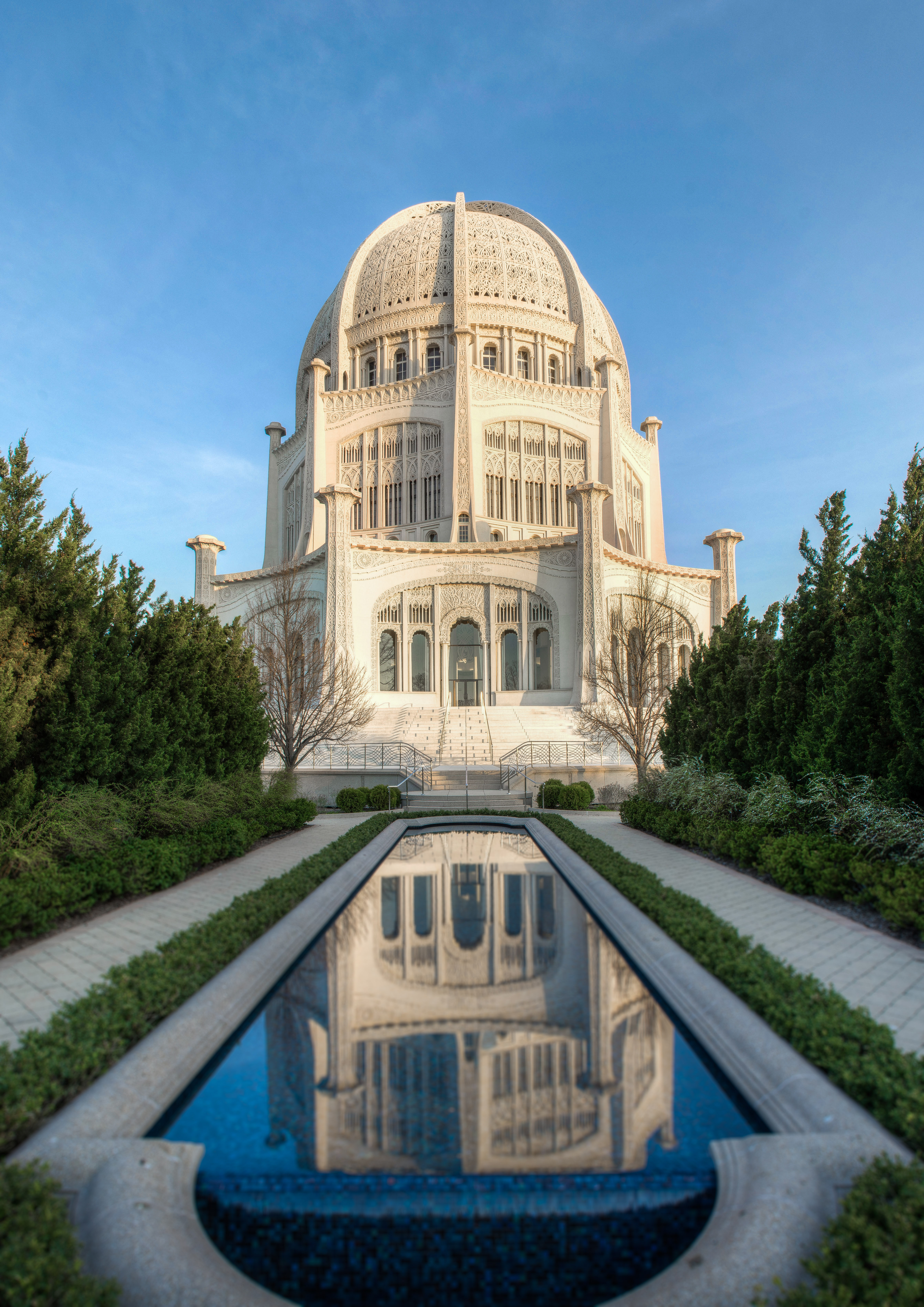
On the morning of the 6th of May, 1912, 'Abdu'l-Bahá and His party arrived by overnight train at the Cleveland Union Station. The Cleveland Bahá'í community — at that time a small group of perhaps a dozen souls — was waiting on the platform. The hour was early. The platform was largely empty of other passengers. The Master had been travelling for several days through the small Pennsylvania and Ohio cities and was visibly tired.
He stepped down from the carriage. The Cleveland friends greeted Him in turn, each by name as Mírzá Mahmúd or Dr. Faríd performed the introductions. The Master shook hands; He embraced two or three of the older believers; He laughed gently at one of the smaller children who had been brought along by his mother to see Him.
The friends had hoped to take Him to a hotel breakfast and then to a series of public engagements they had organised through the day. The Master, looking around the small group on the platform, indicated that He would speak first to them — His own community — before any of the public business began.
He spoke briefly. The Promulgation of Universal Peace preserves the substance of the address. The Master told the small Cleveland community that they need not measure the importance of their work by the size of their gathering. The size of any Bahá'í community in any American city of 1912 was, He said, very small. The small size was not a reason for discouragement. It was the inevitable beginning condition of every great spiritual work.
Where two or three are gathered in His Name, the Cause is alive.
The phrase — drawing, in the Master's American style, on a saying of Christ familiar to the audience — gave the proper measure of the small gathering on the platform. The Cleveland friends were sufficient, in their small number, to constitute the Cause in their city. Their weekly gatherings; their prayers; their patient correspondence with each other and with the Master at 'Akká; their hospitality to the inquirers who came in to ask about the Faith — all this was enough, in the Master's view, to count as the substantial presence of the Cause in Cleveland.
He encouraged them not to wait for some larger opportunity before beginning the serious work. The serious work, He said, was the work of love among themselves. If the small Cleveland community could become — in their own conduct toward each other and in their hospitality toward the strangers who came to their meetings — a visible image of the Bahá'í teaching, then the larger growth would follow in the fullness of time. If they could not become that small visible image, then no larger growth would be of any use to anyone.
The friends were quiet. The Master invited them to walk with Him to the carriage that was waiting outside the station. They went together. The day's full schedule of public talks and private meetings would unfold over the next thirty-six hours. The most important teaching of the visit had been given, before any of it had begun, on the platform of the train station at six in the morning.
Source: 'Abdu'l-Bahá, The Promulgation of Universal Peace, talk of May 6, 1912 at Cleveland Union Station. Public domain text from the Bahá'í Reference Library.
Cite this story
'Abdu'l-Bahá. (1922). *The Promulgation of Universal Peace*. Bahá'í Publishing Trust. https://www.bahai.org/library/authoritative-texts/abdul-baha/promulgation-universal-peace/
Record yourself reading this story
Recording stays on this device only. Nothing is uploaded.
Related stories
Minneapolis and St. Paul: The Twin Cities Welcome the Master
Mahmúd's Diary records 'Abdu'l-Bahá's brief visit to Minneapolis and St. Paul on September 19-20, 1912, including a public talk at the Plymouth Congregational Church and an evening meeting with the small but devoted Bahá'í community of the Twin Cities.
Blessed Are the Poor
On an April night in 1912, 'Abdu'l-Bahá came to the Bowery Mission to address three hundred of New York's destitute men — and then stood at the door and pressed a coin and a gaze into the hand of every one of them. A retelling from the Diary of Juliet Thompson.
Not Even a Salad
At a glittering embassy dinner in Washington, a skeptical diplomat sat across from 'Abdu'l-Bahá with tears in his eyes. A solemn question about spiritual power drew from the Master a reply that made the whole table smile. A retelling from the Diary of Juliet Thompson.
The City That Was Ready
When 'Abdu'l-Bahá came to Boston, He found a city whose people had been waiting and getting ready, in their own way, for a very long time.