The Answer at Ford Hall
Mírzá Maḥmúd-i-Zarqání, Mahmúd's Diary: The Diary of Mírzá Maḥmúd-i-Zarqání, (1998), George Ronald
When in Bahá'í history
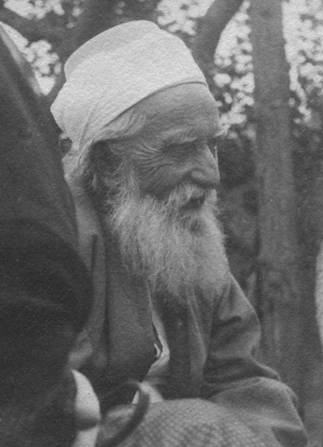
A retelling for children, based on Mahmúd's Diary, from the days 'Abdu'l-Bahá spent in and around Boston in 1912.
In 1912, 'Abdu'l-Bahá visited the city of Boston three times. He came for five days in May, for two nights in July, and for a week in August, when He stayed in a nearby town called Malden.
On His first evening in Boston, He spoke at a large meeting in Tremont Temple. About eight hundred ministers from churches all over America and Canada were there, and nearly two thousand other people. When 'Abdu'l-Bahá stood up to speak, the whole audience rose to its feet to honor Him.
Two days later, He spoke at another meeting, in Ford Hall. More than a thousand people came. Just before Him, another speaker, a minister, criticized religion and warned everyone that a false Christ had come to America.
Then 'Abdu'l-Bahá stood up. He spoke about how the teachings of all the Messengers of God agree, and how all religions are one. He spoke of the truth of all the Prophets, and especially of Christ. The people listening were surprised and very interested. When He finished, the man in charge of the meeting held His hand while everyone clapped.
The next morning, a group of ministers came to visit Him with many questions. When they left, they were very humble.
In July, some newspaper reporters asked Him why He had come to America. He answered:
I came for the peace gatherings in America. They are good. But their efforts must not end in words alone.
In August, from His friend's house in Malden, He went out to speak in many places. At a school for girls He spoke about the rights of women and the education of women. At another meeting, about five hundred people came to hear Him. At the end of August He set off for Montreal, in Canada.
This is a retelling for children. For the fuller account, see "'Abdu'l-Bahá in Boston".
Cite this story
Maḥmúd-i-Zarqání, M.. (1998). *Mahmúd's Diary: The Diary of Mírzá Maḥmúd-i-Zarqání*. George Ronald.
Record yourself reading this story
Recording stays on this device only. Nothing is uploaded.
Related stories
'Abdu'l-Bahá in Boston
'Abdu'l-Bahá visited Boston three times in 1912. He addressed the Unitarian conference at Tremont Temple and the Free Religious Association at Ford Hall, spoke to journalists about peace, and later stayed a week at Malden.
Three Weeks at Dublin, New Hampshire
From 25 July to 16 August 1912 'Abdu'l-Bahá stayed at Dublin, New Hampshire, where Mrs Parsons had hoped He might rest. He said He had come for work and service, and the weeks filled with Tablets, talks and many visitors.
Summer Days in the Hills
When 'Abdu'l-Bahá went to stay in the green hills of New Hampshire, His hostess hoped He could rest. But He said He had come to work and to serve, and He welcomed the many people who came to see Him.
A Question at Temple Emanu-El
In a San Francisco synagogue, 'Abdu'l-Bahá spoke about Moses and then asked His Jewish listeners why they should not also praise Christ and Muḥammad.