Not Even a Salad
Juliet Thompson, The Diary of Juliet Thompson, (1947), Kalimát Press · Read original
When in Bahá'í history
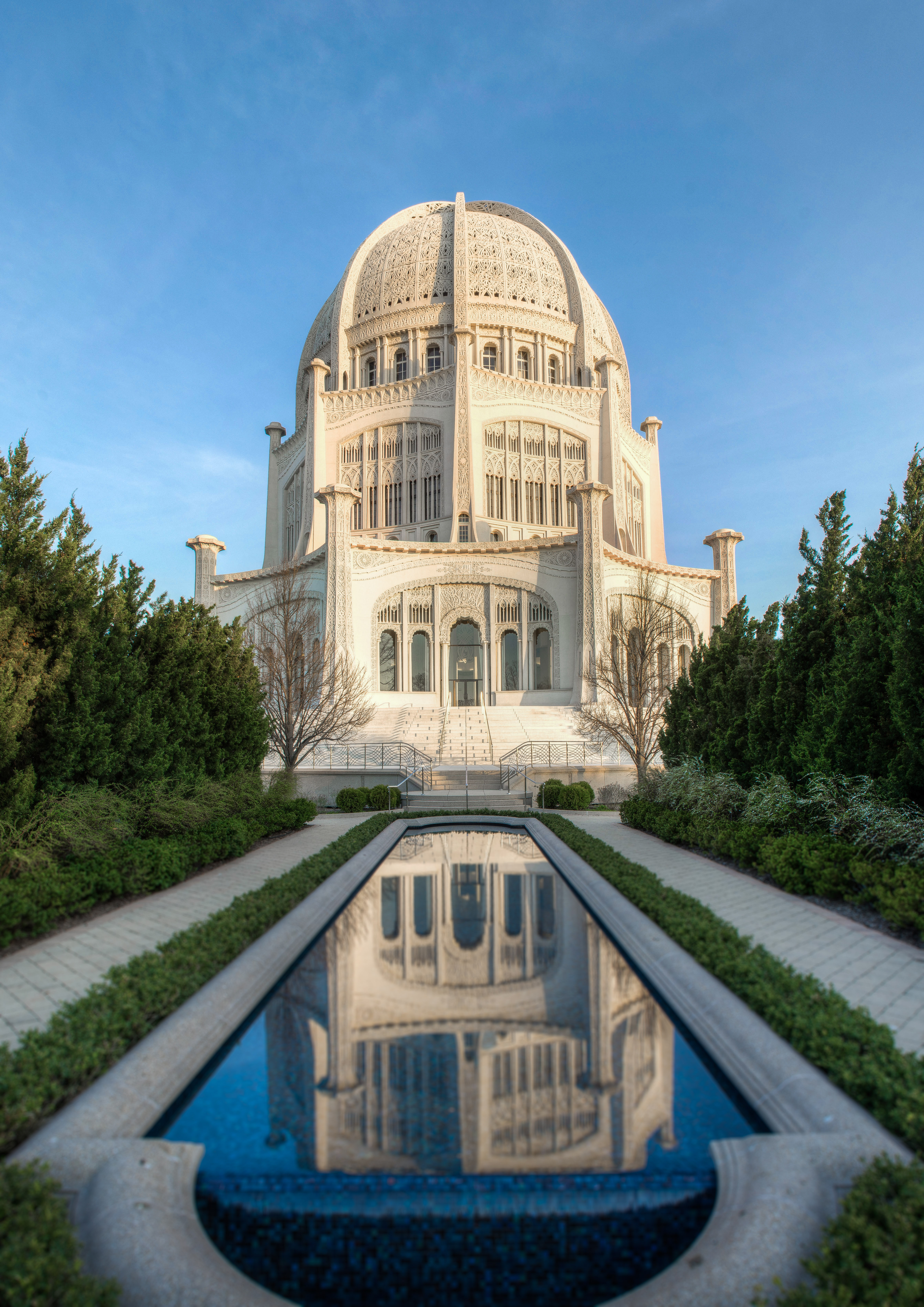
A retelling based on The Diary of Juliet Thompson (Kalimát Press; Washington entries for 23 and 25 April 1912). The narrative is retold in our own words; the lines in quotation marks are verbatim from the Diary. Read the full text for Juliet's own account.
On 23 April 1912, the day Juliet Thompson arrived in Washington, she met 'Abdu'l-Bahá at a luncheon at the Persian Embassy, where 'Alí-Qulí Khán was acting as minister. The table was strewn with rose petals, as the Master's table always was in 'Akká, and Persian dishes were served.
Mrs Parsons, who had been a Christian Scientist before she became a Bahá'í, raised the question of mental suggestion as a cure for physical disease. The Master replied that some illnesses which develop from spiritual causes, such as grief, could be healed by the spirit. Mrs Parsons persisted: could not extreme physical cases, like broken bones, also be healed by the spirit?
A large bowl of salad had been placed before the Master, Who sat at the head of the table. He laughed and said:
If all the spirits in the air were to congregate together, they could not create a salad!
Then He went on: "Nevertheless, the spirit of man is powerful. For the spirit of man can soar in the firmament of knowledge, can discover realities, can confer life, can receive the Divine Glad-Tidings." And, laughing again, He asked: "Is not this greater than making a salad?"
After the luncheon the Khán and his wife held a large reception. Among the guests was Díyá Páshá, the Turkish Minister, an old diplomat and a devout Muslim. A few months earlier Juliet had spoken to him of the Faith in French, and he had looked sceptical, almost contemptuous. Now he stood next to her while the Master spoke, and when the talk ended he turned to her and said: "This is irrefutable. This is pure logic."
Two days later, on Thursday 25 April, 'Abdu'l-Bahá dined at the Turkish Embassy. Hundreds of roses lay the whole length of the table, and the Master sat at its centre, facing Díyá Páshá, who watched Him with eyes full of tears. The Master spoke on the civilizations built on the teachings of the Prophets. "The East and the West," He said, "are met in perfect love tonight."
Díyá Páshá then rose and made a speech, calling the Master "the Light of the world, the Unique One of the age." The Master answered very simply:
I am not worthy of this.
As Juliet bade Díyá Páshá goodnight, he looked at her through a mist of tears and said of the Master: "Truly, He is a Saint."
A retelling based on The Diary of Juliet Thompson. For the fuller account, see the original.
Cite this story
Thompson, J.. (1947). *The Diary of Juliet Thompson*. Kalimát Press. https://bahai-library.com/thompson_diary
Record yourself reading this story
Recording stays on this device only. Nothing is uploaded.
Related stories
Blessed Are the Poor
On 19 April 1912 'Abdu'l-Bahá spoke to three hundred homeless men at the Bowery Mission in New York, then stood at the end of the aisle and pressed coins into the hand of each man as he filed past.
God Never Forgets You
In New York in April 1912, 'Abdu'l-Bahá sent for Juliet Thompson's grieving mother, who had opposed her daughter's work for the Faith, and comforted her. The next day she told Juliet that all her bitterness had gone.
The Answer at Ford Hall
In Boston in 1912, a speaker warned a large audience that a false Christ had come to America. 'Abdu'l-Bahá, speaking next, told them of the truth of all the Prophets of God, and especially of Christ.
The Best Kind of Trap
A woman's friend warned her that going to hear 'Abdu'l-Bahá might be a trap. He told her it was a trap, but a trap that sets people free.