At the Bedside of Marjorie Morten: Juliet Records a Healing
Juliet Thompson, The Diary of Juliet Thompson, (1947), Kalimát Press
When in Bahá'í history
New York (today: New York, NY, USA)
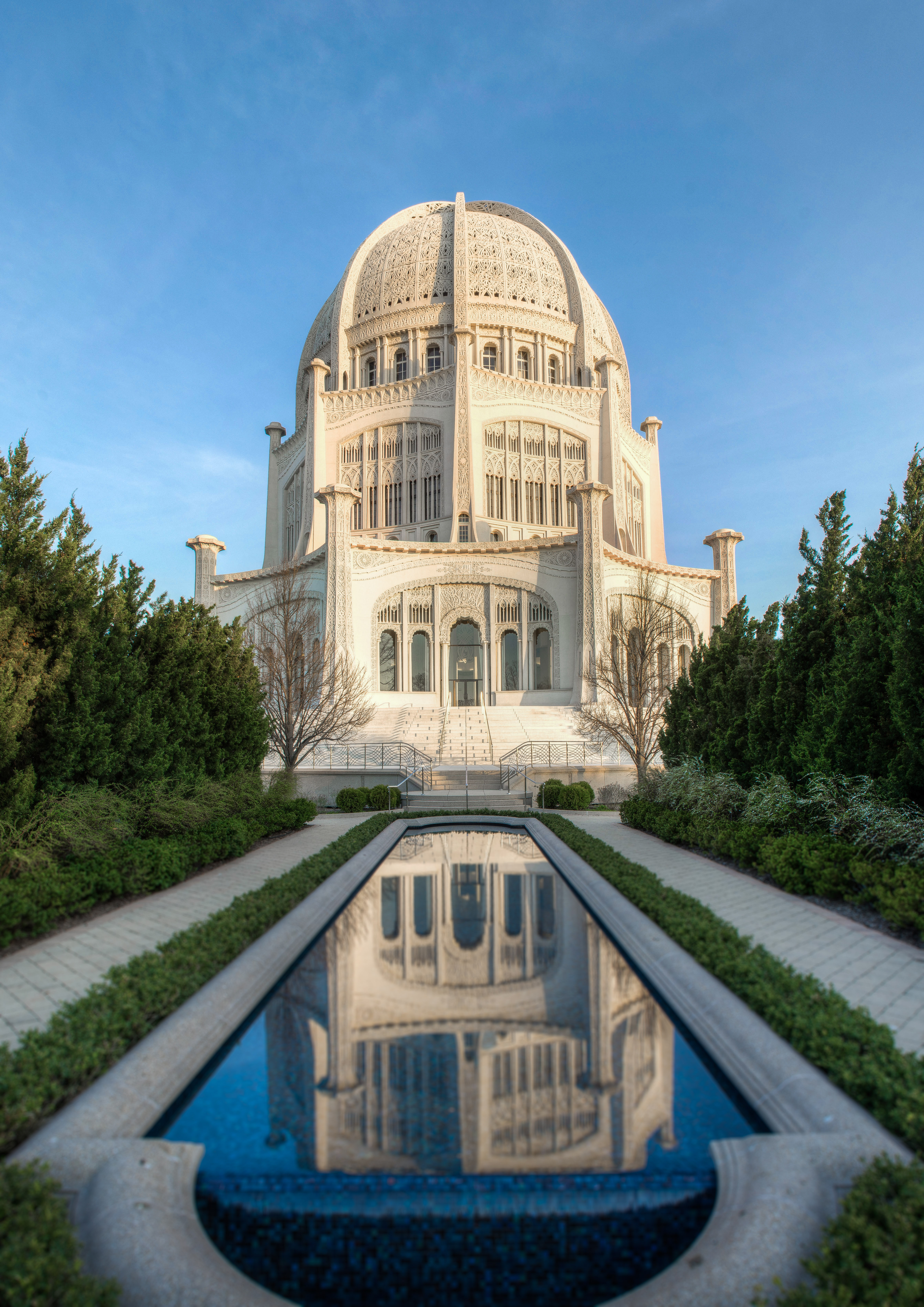
In The Diary of Juliet Thompson the painter records, with the quietness she reserves for the gravest moments, an evening in the early summer of 1912 when ‘Abdu’l-Bahá visited her close friend Marjorie Morten in the sickroom in which Marjorie was expected to die.
Marjorie had been an early American believer of considerable warmth; she had been ill for some months with a wasting illness; her doctors, that week, had given the family to understand that the end was near. The household had begun to prepare. Juliet had been in attendance at the bedside for several days. She had asked, with the family’s consent, whether the Master might be brought.
He came, the diary records, on the early evening of a warm day. The motor-car set Him down in front of the apartment building. He climbed the stair. He was led into the sickroom.
The chamber was, the diary records, in the careful gloom of Edwardian sickrooms — drawn curtains, a single bedside lamp, a nurse in white in the corner, the family in subdued attendance. The Master entered without ceremony. He went directly to the bed. He took Marjorie's hand.
He spoke to her in His own Persian, which the household could not understand. The interpreter, beside Him, rendered each sentence quietly into English. The words, the diary records, were not the words of farewell anyone in the room had been preparing themselves to hear. They were the words of an old friend speaking, with affection and amusement, about the journey of the soul, about the silliness of treating the body's end as the soul's end, and about the great quiet country into which Marjorie was now entering.
He did not, the diary preserves, predict her recovery. Marjorie would in fact pass from this world some days later. He addressed the larger question that the body's failing was about to settle: the question of what the soul, having shed the body, was going on to.
The chamber, by the time He had finished, had changed. The family was quiet; Juliet was quiet; even the nurse had set down her instruments and was sitting still in her corner. The Master blessed Marjorie. He blessed the family. He left. The motor-car bore Him back to His residence.
By the morning the household had set down its grief and taken up something else.
Marjorie passed from this world later that week. The household that had been preparing for grief, the diary records, found that something else had been prepared in them. They did not mourn her absence as they had expected to. They mourned, when they mourned, with a smaller weight than the chamber had foretold; they walked through her funeral with what Juliet calls a strange grave joy. The Master had not lengthened Marjorie's life. He had altered the room.
Paraphrased from The Diary of Juliet Thompson (Kalimát Press, 1947); see original for full text.
Cite this story
Thompson, J.. (1947). *The Diary of Juliet Thompson*. Kalimát Press.
Record yourself reading this story
Recording stays on this device only. Nothing is uploaded.
Related stories
A Walk in the Night: Juliet Beside the Master
In *The Diary of Juliet Thompson* the painter records an evening in New York in the summer of 1912 when, after one of the great public meetings, she found herself walking beside 'Abdu'l-Bahá through the dark streets — and the silence in which the most carrying conversations sometimes pass.
God Never Forgets You
Juliet Thompson's mother carried a grief — and a quiet resentment of her daughter's new Faith. Then she knelt at 'Abdu'l-Bahá's bedside, and a few gentle words changed everything. A retelling from the Diary of Juliet Thompson.
Not Even a Salad
At a glittering embassy dinner in Washington, a skeptical diplomat sat across from 'Abdu'l-Bahá with tears in his eyes. A solemn question about spiritual power drew from the Master a reply that made the whole table smile. A retelling from the Diary of Juliet Thompson.
Paint My Servitude to God: Juliet Thompson and the Portrait
In June 1912 in New York, the painter Juliet Thompson was given an unprecedented privilege: 'Abdu'l-Bahá agreed to sit for her. The Diary preserves the moment He stopped her on the street, took her hand, and said *come tomorrow and paint;* and the cramped basement studio where He asked her to paint not the man but the *Servitude.*