The Farewell Aboard the Celtic
Mírzá Maḥmúd-i-Zarqání, Mahmúd's Diary, (1998), George Ronald · Read original
When in Bahá'í history
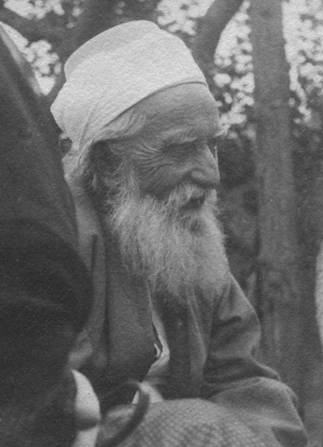
A retelling based on Mahmúd's Diary by Mírzá Maḥmúd-i-Zarqání (George Ronald), from the entry for 5 December 1912. The narrative is retold in our own words; the passages in quotation marks are verbatim from the diary. Read the full text for the original entry.
On December 5, 1912, 'Abdu'l-Bahá sailed from New York on the steamship Celtic, at the end of His eight months in America. A great number of believers from New York and other cities came aboard to bid Him farewell. Mírzá Maḥmúd-i-Zarqání writes that the tears in their eyes showed their sorrow, and that the sobs of young and old could be heard from afar.
The first-class lounge was large, but it could not hold them all. Some sat, and others stood outside the lounge. The Master moved among the friends, exhorting and consoling them and reminding them of the glad tidings of the Abhá Kingdom, until the time came for them to leave the ship. Then He gave His parting words:
He is God! This is our last day and my last meeting with you. In a few minutes our steamer will leave these shores and this is my last exhortation to you. I have repeatedly spoken to you and invited you to realize the oneness of humanity.
He asked them to forget all religious, racial, patriotic and political prejudices, to be friends to all, and to love even their enemies. He spoke of the bloodshed then taking place in the Balkans. He ended with His hope for each of them:
I hope that each one of you will be assisted to act according to these teachings so that, like a brilliant star, you may give light to humanity and like a spirit move the body of the contingent world. This is eternal glory! This is everlasting happiness! This is the image and likeness of God and unto this I call you! I pray God that you may attain it.
Mahmúd records that the passengers and officers of the steamer, hearing the address and seeing the devotion of the friends, asked themselves, "Who is this personage in whose presence the Americans stand with such reverence and humility?"
One by one the friends came to 'Abdu'l-Bahá to shake His hand and ask for His assistance. Then, in great sorrow, they left the ship. They stood on the wharf weeping, their hands lifted towards the heavens in prayer. As the steamer moved out to sea, the throng of believers, stretching as far as the eye could see, waved farewell to the Master. Then He said:
Observe how the power of the Cause of God has created a tumult in the hearts and what a revolution it has produced.
This account is retold for the Bahai Story Library; it is a paraphrase, not the original text. The quoted passages are verbatim from Mahmúd's Diary (Mírzá Maḥmúd-i-Zarqání, George Ronald). The full farewell address is also in The Promulgation of Universal Peace. See the source for the original entry.
Cite this story
Maḥmúd-i-Zarqání, M.. (1998). *Mahmúd's Diary*. George Ronald. https://bahai-library.com/zarqani_mahmuds_diary
Record yourself reading this story
Recording stays on this device only. Nothing is uploaded.
Related stories
The Golden Trowel
On May 1, 1912, at the site of the future House of Worship in Wilmette, 'Abdu'l-Bahá dug the ground for the foundation stone with a golden trowel. Believers of many backgrounds followed, and He set the stone in place.
The Chronicler of the Master’s Journey
Mírzá Maḥmúd-i-Zarqání completed the first volume of his chronicle of ‘Abdu’l-Bahá’s 1912 journey in America at the end of 1913; at his sudden death the Guardian cabled that his outstanding services would shine evermore.
A Great Ship Comes to New York
When 'Abdu'l-Bahá's ship reached New York in April 1912, reporters came on board to ask why He had come. He told them He had come for universal peace and the unity of humankind.
The Answer at Ford Hall
In Boston in 1912, a speaker warned a large audience that a false Christ had come to America. 'Abdu'l-Bahá, speaking next, told them of the truth of all the Prophets of God, and especially of Christ.