A Quiet Domestic Day in the Kinney Apartment
Mírzá Maḥmúd-i-Zarqání, Mahmúd's Diary: The Diary of Mírzá Maḥmúd-i-Zarqání, (1998), George Ronald
When in Bahá'í history
New York (today: New York, New York, USA)
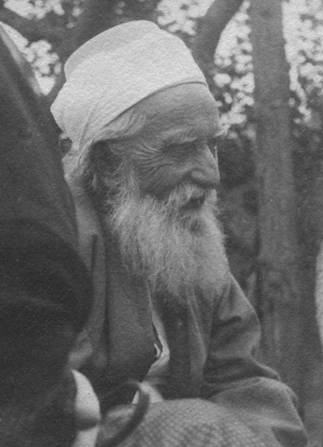
Among the more characteristic of Mahmúd's Diary entries are the descriptions of ordinary days — days on which no public address was given, no famous visitor received, no celebrated event recorded. Mahmúd preserved them for the same reason he preserved the great public events: because the rhythm of the unremarkable hours, in the Master's company, was itself a teaching.
A typical such day, in the Kinney Manhattan apartment in the spring of 1912, ran as follows. The Master rose well before dawn. He performed the long obligatory prayer in the small private bedroom that the Kinneys had given Him at the back of the apartment. He took, in His own habit, only a glass of water and remained at silent meditation for the hour following.
By six o'clock the household was beginning to stir. The Kinneys' young son was being roused for breakfast and school. The Master, hearing the small movements of the child, would go out into the front room and greet the boy by name. He would, on most mornings, sit briefly with the boy at the breakfast table, breaking a piece of bread and pressing a small piece of fruit into the boy's hand to take to school.
The middle of the morning was given to correspondence. Mahmúd records that the Master often had two or three Tablets in progress at once, each addressed to a different correspondent, moving between them as the right phrase rose for each. The secretary worked at a small desk in the corner, taking dictation, smoothing the script, presenting the finished sheets for the Master's signature. The signature was always done by the Master Himself, in His distinctive Persian calligraphy.
The midday meal was taken with whichever members of the household happened to be present — Mrs. Kinney, sometimes Mr. Kinney returning from his downtown office, occasional visiting friends from the local community. Conversation at table was unhurried. The Master ate sparingly, listened more than He spoke, asked frequent small questions about the small ordinary affairs of the lives of those at table.
The afternoon, on quiet days, was devoted to private rest, to walks, to prayer. The Master sometimes went into the small park near the apartment for a short walk, accompanied by one of the household. He returned for the afternoon prayer and for tea.
The evening was for visitors who had not been able to call during the day. They were received in the front room, briefly each. The Master retired early.
Such was the pattern of the unremarkable day. Mahmúd preserves several of them precisely because they were unremarkable.
Paraphrased from Mahmúd's Diary: The Diary of Mírzá Maḥmúd-i-Zarqání (George Ronald, 1998), composite of entries describing the rhythm of quiet days in the Kinney apartment, spring 1912; see original for full text.
Cite this story
Maḥmúd-i-Zarqání, M.. (1998). *Mahmúd's Diary: The Diary of Mírzá Maḥmúd-i-Zarqání*. George Ronald.
Record yourself reading this story
Recording stays on this device only. Nothing is uploaded.
Related stories
A Quiet Day with the Master
Nothing famous happened on this ordinary spring day with the Master — and that is exactly why someone thought it was worth writing down forever.
The Small Room in Baltimore
Only a handful of friends gathered in one little parlour, but 'Abdu'l-Bahá came to them anyway — and told them that keeping the Faith in a quiet place is one of the most important jobs of all.
Baltimore: A Day of Rest on the Eastern Seaboard
Mahmúd's Diary records a brief stop in Baltimore in November 1912 — chiefly a day of rest in transit between Washington and New York, but with a small evening reception at the home of one of the city's three Bahá'í families.
Across the Continent by Rail: A Long Quiet Crossing
Mahmúd's Diary records the long quiet stretches of the transcontinental train journey from Chicago to the Pacific in September-October 1912 — the Master at His prayers in the parlour car, the night plains rolling past, the small acts of hospitality to the train staff.