A Farewell in Minneapolis
Mírzá Maḥmúd-i-Zarqání, Mahmúd's Diary, (1998), George Ronald · Read original
When in Bahá'í history
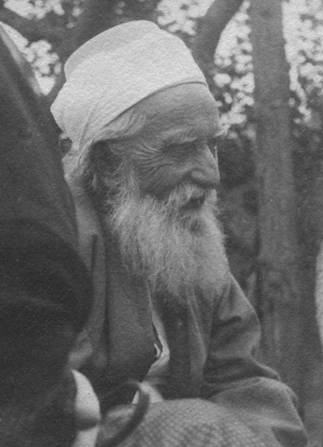
A retelling based on Mahmúd's Diary by Mírzá Maḥmúd-i-Zarqání (George Ronald), from the entry for 20 September 1912. The narrative is retold in our own words; the lines in quotation marks are verbatim from the diary's entry for that day. Read the full text for the original entry.
On the morning of 20 September 1912, 'Abdu'l-Bahá's last day in Minneapolis, friends and seekers gathered around Him. He told them to love one another deeply, to visit one another, and not to be content with words but to act according to the commandments of God.
At eight o'clock, after the parcels to be sent east had been packed, He left the hotel for the station. The friends who went with Him were sad and dejected at His going, and He consoled them until the train left. He told them that He would never forget them and that they were always in His mind. Then He spoke of the poor:
I exhort you to be kind to the poor and love them. Help them, for the poor are broken-hearted.
He gave His reason:
If you sacrifice yourself for the rich, they think you do it because you are obliged to. But if you love the poor, they feel joy and are sincerely grateful. To help the poor is essential.
At St Paul station Dr Woolson came to say goodbye and received the Master's blessing. The train reached Omaha two hours after midnight.
This account is retold for the Bahá'í Story Library; it is a paraphrase, not the original text. The quoted lines are verbatim from Mahmúd's Diary (Mírzá Maḥmúd-i-Zarqání, George Ronald). See the source for the original entry.
Cite this story
Maḥmúd-i-Zarqání, M.. (1998). *Mahmúd's Diary*. George Ronald. https://bahai-library.com/zarqani_mahmuds_diary
This story shares quotes with 1 other story
“I exhort you to be kind to the poor and love them. Help them, for the poor are broken-hearted.”
Also in
- Goodbye at the Minneapolis Station— Mírzá Maḥmúd-i-Zarqání, Mahmúd's Diary
Record yourself reading this story
Recording stays on this device only. Nothing is uploaded.
Related stories
Blessed Are the Poor
On 19 April 1912 'Abdu'l-Bahá spoke to three hundred homeless men at the Bowery Mission in New York, then stood at the end of the aisle and pressed coins into the hand of each man as he filed past.
The Master Arrives in Denver
After a sleepless night on the train, ‘Abdu’l-Bahá reached Denver on 23 September 1912. Within hours He was meeting reporters, and that evening He spoke to a crowded gathering at the home of Mrs. Roberts.
Let Them Come Now
Worn out after seeing a hundred and forty people and speaking at the Mortens’ home in New York, ‘Abdu’l-Bahá went up to rest, but crowds followed. When Juliet Thompson asked to shut the door, He gently said to let them come.
The Chronicler of the Master’s Journey
Mírzá Maḥmúd-i-Zarqání completed the first volume of his chronicle of ‘Abdu’l-Bahá’s 1912 journey in America at the end of 1913; at his sudden death the Guardian cabled that his outstanding services would shine evermore.