Honoring the Servants
Mírzá Maḥmúd-i-Zarqání, Mahmúd's Diary, (1998), George Ronald · Read original
When in Bahá'í history
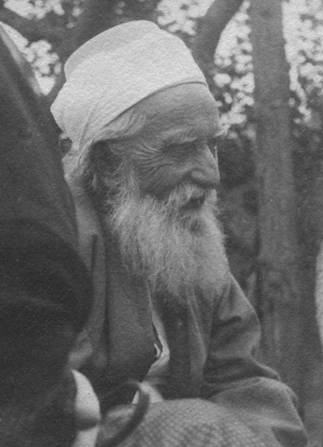
A retelling based on Mahmúd's Diary by Mírzá Maḥmúd-i-Zarqání (George Ronald), from the entries for 13 to 16 October 1912. The words in quotation marks are verbatim from the diary. Read the full text for the original entries.
Mrs Phoebe Hearst, a wealthy and prominent woman, had visited 'Abdu'l-Bahá in the Holy Land some years before. In October 1912, while He was in San Francisco, she invited Him and His companions to her home, a large mansion on a hillside on the outskirts of Pleasanton. He arrived on the afternoon of 13 October and stayed three nights. Some of Mrs Hearst's relatives were among her guests.
Mírzá Maḥmúd records that on 16 October, as the Master was bidding them farewell, He called all the servants and attendants of the house. The maids, orderlies, cooks and butler stood in a line before Him. He encouraged them to be truthful, honest and devoted to their work, and thanked them for their services. Then He said:
As I am like a father to you, I wish to leave a memento with you.
He gave each of them two guineas, and left.
Maḥmúd notes that some of Mrs Hearst's relatives, who had previously been narrow-minded and aloof, were now humbled and transformed. As He took leave of the household, the guests stood by humbly, "astonished and impressed with 'Abdu'l-Bahá's generosity, grandeur and majesty."
Mrs Hearst begged to be allowed to go with Him to San Francisco, and He agreed. Among the words to her that Maḥmúd recorded was this: "Among the divine teachings are trustworthiness, detachment and sanctity."
A retelling for the Bahá'í Story Library, not the original text. The quoted words are verbatim from Mahmúd's Diary (Mírzá Maḥmúd-i-Zarqání, George Ronald). See the source for the original entries.
Cite this story
Maḥmúd-i-Zarqání, M.. (1998). *Mahmúd's Diary*. George Ronald. https://bahai-library.com/zarqani_mahmuds_diary
This story shares quotes with 1 other story
“As I am like a father to you, I wish to leave a memento with you.”
Also in
- A Gift for Every Servant— Mírzá Maḥmúd-i-Zarqání, Mahmúd's Diary
Record yourself reading this story
Recording stays on this device only. Nothing is uploaded.
Related stories
A Gift for Every Servant
Before leaving Mrs Phoebe Hearst's house in California, 'Abdu'l-Bahá called for the maids, cooks and butler, thanked them, and gave each of them a gift.
The Streetcar Fare and the Servants
In Montreal ‘Abdu’l-Bahá took the streetcar to save a dollar, then gave each of the Maxwells’ servants a pound; at Phoebe Hearst’s estate each servant received ten dollars.
The Master Arrives in Denver
After a sleepless night on the train, ‘Abdu’l-Bahá reached Denver on 23 September 1912. Within hours He was meeting reporters, and that evening He spoke to a crowded gathering at the home of Mrs. Roberts.
Let Them Come Now
Worn out after seeing a hundred and forty people and speaking at the Mortens’ home in New York, ‘Abdu’l-Bahá went up to rest, but crowds followed. When Juliet Thompson asked to shut the door, He gently said to let them come.