The Strength That Came from Elsewhere
Howard Colby Ives, Portals to Freedom, (1937), George Ronald · Read original
When in Bahá'í history
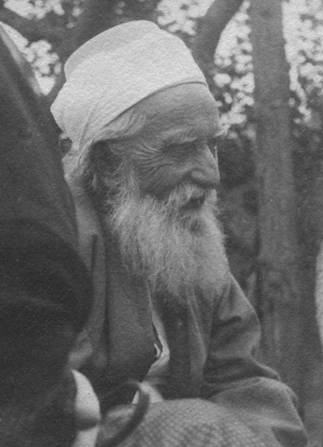
A retelling based on Portals to Freedom by Howard Colby Ives (George Ronald, 1937), chapter 9. The narrative is retold in our own words; the words in quotation marks are from the book. Read the full text for Ives's own telling.
Howard Colby Ives spent years looking for the secret of 'Abdu'l-Bahá's power: how One who had lived all His life under persecution and imprisonment could come into the bustle of America and master every situation He met. Ives found his answer in 'Abdu'l-Bahá's own words, which he quotes in Portals to Freedom:
"Although the body was weak and not fitted to undergo the vicissitudes of crossing the Atlantic, yet love assisted us and we came here. At certain times the spirit must assist the body."
In the same talk 'Abdu'l-Bahá said that in the prison of 'Akká, with every comfort lacking, He and His companions had endured their trials for forty years because the Spirit was constantly strengthening the body.
Ives adds that even 'Abdu'l-Bahá's physical condition was constantly reinforced by this power, and gives one example.
After a particularly exhausting day, 'Abdu'l-Bahá was returning late at night from a gathering where He had spoken with much energy. In the automobile He showed great weariness. He relaxed and sank gradually into an almost comatose condition, and the friends with Him were greatly alarmed. When they arrived, He had to be almost carried into the house and up to His room.
The friends waited anxiously in the rooms downstairs. Within fifteen minutes they heard His voice resounding "with even more than its usual energy and power" as He called for His secretary. Then He appeared at the top of the stairs, in Ives's words, "His usual dominant, smiling, forceful self."
A retelling based on Portals to Freedom (Howard Colby Ives, George Ronald, 1937), chapter 9; 'Abdu'l-Bahá's words are also in The Promulgation of Universal Peace. For the fuller account, see the original.
Cite this story
Ives, H. C.. (1937). *Portals to Freedom*. George Ronald. https://bahai-library.com/ives_portals_freedom
Record yourself reading this story
Recording stays on this device only. Nothing is uploaded.
Related stories
The Voice from the Top of the Stairs
After a long, tiring day, 'Abdu'l-Bahá came home so weak that His friends had to help Him inside. Fifteen minutes later His strong voice rang through the house again.
The Question Answered by Silence
Howard Colby Ives asked ‘Abdu’l-Bahá why he should believe in Bahá’u’lláh. After a long silence the Master spoke of the sincerity a minister's heart must have, and only months later did Ives realize his question had been answered.
A Marriage at the Master's Wish
In New York in 1912, Lua Getsinger told Grace Robarts that ‘Abdu’l-Bahá wished her to marry Harlan Ober, a man she scarcely knew. Grace obeyed, and the Master Himself performed their marriage.
The Question That Came Back
Howard Colby Ives went to ask 'Abdu'l-Bahá what renunciation means. The Master talked about something else on the walk back, and then asked Howard a question of His own.