A Quiet Day with the Master
Mírzá Maḥmúd-i-Zarqání, Mahmúd's Diary: The Diary of Mírzá Maḥmúd-i-Zarqání, (1998), George Ronald
When in Bahá'í history
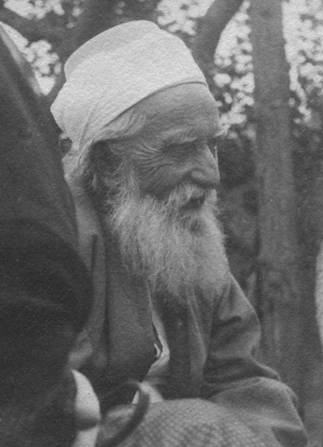
A retelling for children, based on Mahmúd's Diary, which remembers the quiet days 'Abdu'l-Bahá spent in the Kinney family's apartment in New York, in the spring of 1912.
Some days are full of big, exciting things — a party, a trip, a famous visitor at the door. This was not one of those days. On this day, nothing special happened at all. And yet someone wrote it down, so that children far in the future, like you, could know about it.
The day began while it was still dark, long before anyone else was awake. In a small bedroom at the back of the apartment, 'Abdu'l-Bahá rose and said His prayers. For a whole hour after that, He sat quietly, thinking and praying, with nothing to drink but a glass of water. The whole house was still. Outside, the city of New York had not yet woken up.
Then, around six o'clock, came the soft sounds of a family beginning its morning. The Kinneys had a young son, and now he was being woken up to eat breakfast and get ready for school. When 'Abdu'l-Bahá heard the little movements of the boy, He came out into the front room and greeted him by name, the way you greet a friend.
On most mornings, He would sit with the boy at the breakfast table for a little while. He would break off a piece of bread. And then He would press a small piece of fruit into the boy's hand, for him to carry to school. Imagine being that boy — beginning each ordinary school day with a piece of fruit, placed in your hand by 'Abdu'l-Bahá Himself.
The middle of the morning was for writing letters. These were special letters, called Tablets, full of love and guidance for people all over the world. Sometimes He was writing two or three at the very same time, moving from one to the next as the right words came to Him. A helper named Mahmúd sat at a small desk in the corner, writing down the words and tidying them up. But the name at the bottom of each letter was always signed by 'Abdu'l-Bahá Himself, in His own beautiful handwriting.
At lunchtime, whoever happened to be home would gather at the table. The meal was never rushed. 'Abdu'l-Bahá ate only a little, and here is the surprising part — He listened far more than He talked. He asked gentle questions about the small, everyday parts of people's lives, the kind of things grown-ups often think are too small to ask about.
In the afternoon, on a quiet day like this one, He would rest, or pray, or take a short walk to a little park nearby, with one of the family beside Him. Then He came back for His afternoon prayer and a cup of tea. In the evening, a few visitors who had missed Him during the day were welcomed in, just for a short while. And then, early, He went to bed.
That was the whole day. No crowds, no famous speech, no big event — and yet someone thought it was worth remembering forever.
Why? Because 'Abdu'l-Bahá gave the same care and love to a plain, ordinary day as He did to the grandest ones. He greeted a child by name. He listened to small stories at the table. He prayed in the quiet dark before anyone was watching. That is the secret this old diary keeps for us: an ordinary day, lived with love and attention, is not ordinary at all.
This is a retelling for children. For the fuller account, see "A Quiet Domestic Day in the Kinney Apartment".
Cite this story
Maḥmúd-i-Zarqání, M.. (1998). *Mahmúd's Diary: The Diary of Mírzá Maḥmúd-i-Zarqání*. George Ronald.
Record yourself reading this story
Recording stays on this device only. Nothing is uploaded.
Related stories
A Quiet Domestic Day in the Kinney Apartment
Mahmúd's Diary preserves the small domestic record of an ordinary day in the New York apartment of Mr. and Mrs. Edward Kinney — the Master at His correspondence, at His tea, in brief conversation with the household, the rhythm of the hours unmarked by any public event.
The Small Room in Baltimore
Only a handful of friends gathered in one little parlour, but 'Abdu'l-Bahá came to them anyway — and told them that keeping the Faith in a quiet place is one of the most important jobs of all.
Baltimore: A Day of Rest on the Eastern Seaboard
Mahmúd's Diary records a brief stop in Baltimore in November 1912 — chiefly a day of rest in transit between Washington and New York, but with a small evening reception at the home of one of the city's three Bahá'í families.
Across the Continent by Rail: A Long Quiet Crossing
Mahmúd's Diary records the long quiet stretches of the transcontinental train journey from Chicago to the Pacific in September-October 1912 — the Master at His prayers in the parlour car, the night plains rolling past, the small acts of hospitality to the train staff.