Saichiro Fujita and the Master's Household
Star of the West Editors, Star of the West, (1916), Bahai News Service · Read original
When in Bahá'í history
Berkeley (today: Berkeley, California, USA)
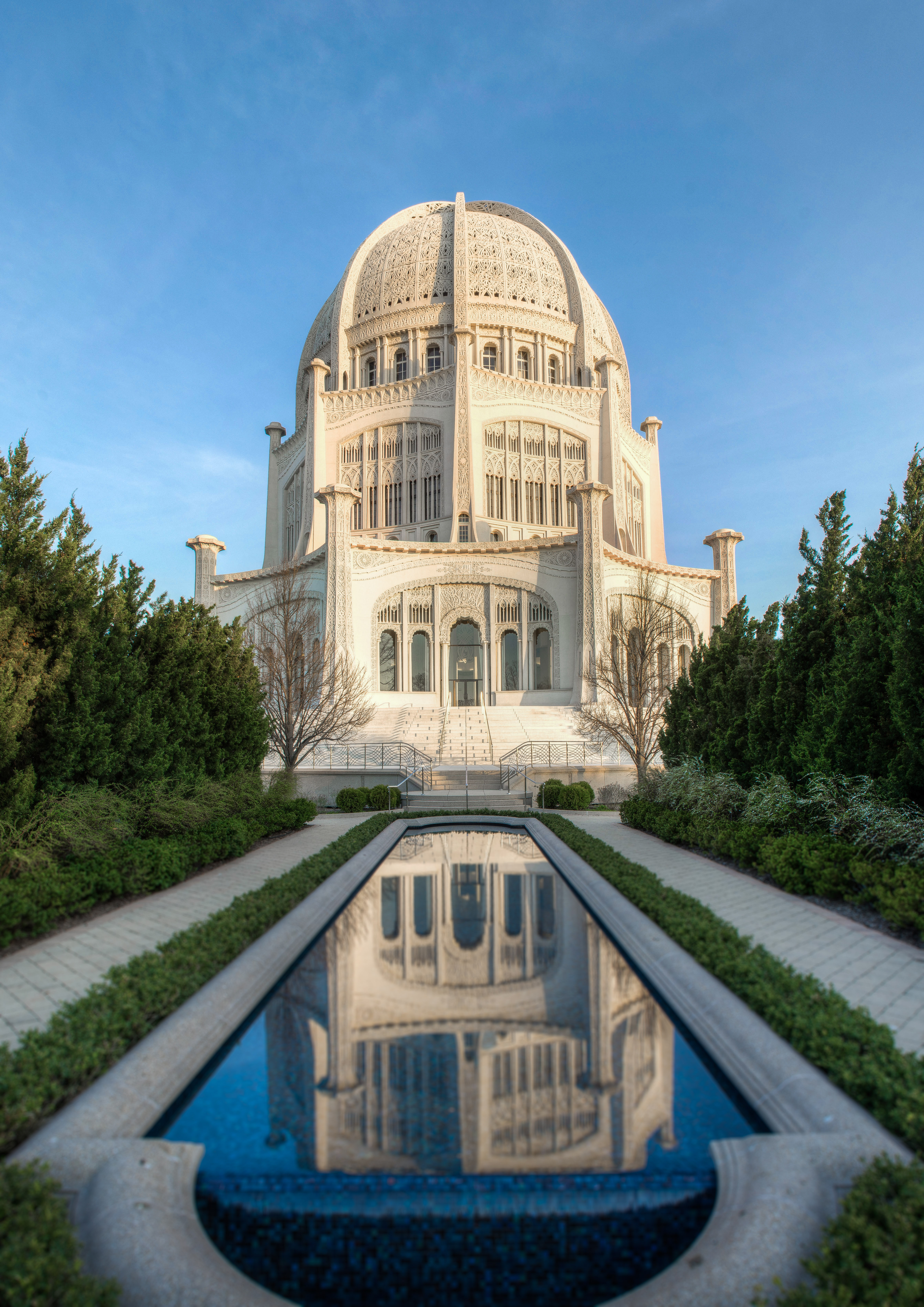
In its issue dated the seventeenth of May 1916 the Star of the West carried a short notice introducing one Saichiro Fujita, a young Bahá'í of Japanese birth then resident in northern California. The notice was small. The man it introduced would turn out to be one of the longest-serving and best-loved attendants of the Bahá'í Centre over the next sixty years.
Fujita had been born in 1886 in Yamaguchi prefecture, in southwestern Japan. He had come to the United States at the age of seventeen, intending to study agricultural engineering. He had found his way, by the chain of circumstance the Bahá'ís of his time recognised as the work of the Master, into the small Bahá'í community of the San Francisco Bay area. There Kathryn Frankland and the Goodall family had received him, taught him the Faith, and helped him through the small daily trials of an Asian student in early-twentieth-century California — including the open racial hostility of the streets and the harder restrictions of the immigration laws.
By the time the Star of the West notice appeared, Fujita had been a Bahá'í for nine years. He had begun to correspond with 'Abdu'l-Bahá. The Master, in His Tablets to Fujita, had begun to address him with marked tenderness. The notice in the Star — quoting one such Tablet briefly — was the editors' way of telling the American friends that the Faith had now genuinely reached the Japanese people, in the person of one of their sons.
I came to learn engineering. I stayed to serve.
The line was Fujita's own, set down later when he was asked how he had come to give his life to the work of the Bahá'í Centre. The full pattern of that service — his eventual journey to Haifa in 1919; his decades of quiet attendance on 'Abdu'l-Bahá and on Shoghi Effendi; his work in the gardens and on the early electrical installations at the Bahá'í shrines; his long friendship with Rúhíyyih Khánum; his internment in Japan during the Second World War; his return to Haifa under the Custodians; his peaceful death there at last in 1976 — was still in the future when the May 1916 notice appeared.
The notice's significance, in 1916, was simply this: a son of Japan had become a member of the Bahá'í community of the United States, and the Master Himself was already writing to him. The first stones of what would become the Bahá'í Cause in Japan were being laid, on American soil, in the person of one young man whose life had been turned, by his arrival in California, into a sixty-year labour of love.
Source: Star of the West, Volume 7, notice introducing Saichiro Fujita, May 1916. Public domain text from bahai-library.com.
Cite this story
Editors, S. O. T. W.. (1916). *Star of the West*. Bahai News Service. https://bahai-library.com/star_of_the_west_volume_7
Record yourself reading this story
Recording stays on this device only. Nothing is uploaded.
Related stories
Blessed Are the Poor
On an April night in 1912, 'Abdu'l-Bahá came to the Bowery Mission to address three hundred of New York's destitute men — and then stood at the door and pressed a coin and a gaze into the hand of every one of them. A retelling from the Diary of Juliet Thompson.
Why Keep Two?
A lady looked out her window and saw 'Abdu'l-Bahá do something surprising for a poor old man on the street.
Honoring the Servants
Leaving a great mansion in California, 'Abdu'l-Bahá did not say His farewells to the wealthy guests first. He called for the cooks, the maids, and the butler — and the room of elegant onlookers fell silent. A retelling from Mahmúd's Diary.
A Farewell in Minneapolis
As 'Abdu'l-Bahá prepared to leave Minneapolis, the friends gathered around Him in sorrow. His parting counsel was not about Himself, but about the orphans, the hungry, and the poor. A retelling from Mahmúd's Diary.