Neither Whip nor Sword
'Abdu'l-Bahá, The Promulgation of Universal Peace, (1922), Bahá'í Publishing Trust · Read original
When in Bahá'í history
Washington, D.C. (today: Washington, D.C., USA)
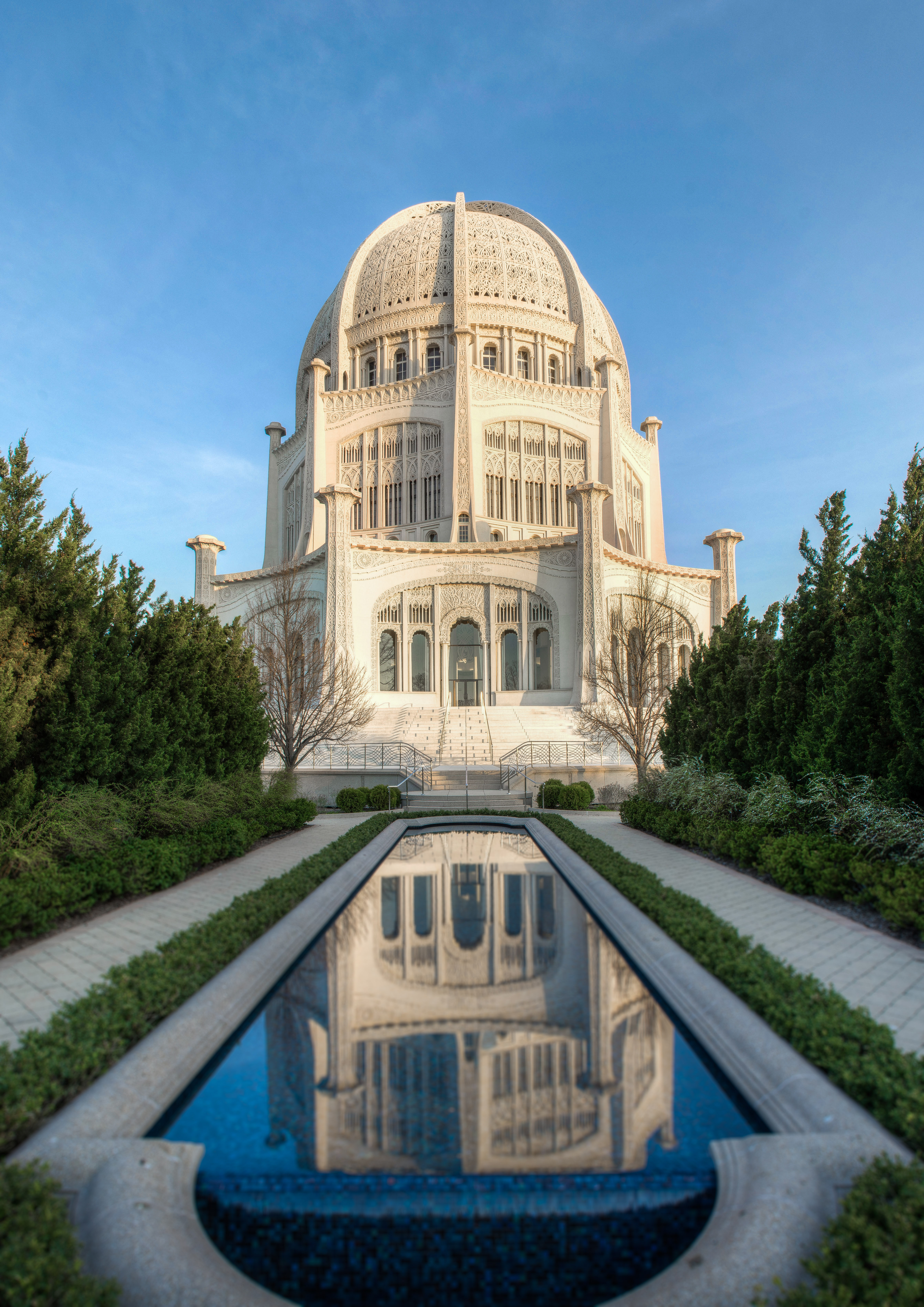
On the evening of April 22, 1912, Mrs. Parsons gave a dinner in ‘Abdu’l-Bahá’s honor at her home in Washington, D.C., and invited the friends. At the table the Master spoke of what Bahá’u’lláh had done: from distant parts of the world He had brought them together in that house, at that table, East and West united.
He then told a story from Persian history. When the Muslims conquered Persia, He said, the chief of the Zoroastrian high priests drank wine. Under Muslim law wine was forbidden and the penalty was a whipping, so the Muslims arrested the high priest and whipped him.
At that time, the Master explained, the Persians looked down on the Arabs, and since Muḥammad was an Arab, they looked upon Him with disdain. But when the high priest saw the evidence of a power in Muḥammad that could govern the conduct of that people, he cried out:
O thou Arabian Muḥammad, what hast thou done? What hast thou done which has made thy people arrest the chief high priest of the Zoroastrians for committing something unlawful in thy religion?
In this way, the Master said, the prejudice that had made the Zoroastrian shun the Muslim was overcome, for he recognized the great influence Muḥammad exercised over those people.
He then turned to the gathering around Him. Bahá’u’lláh, through the power of the love of God, had brought men from the remotest parts of Persia and the Orient to that table to meet the people of the West in love and harmony.
And ‘Abdu’l‑Bahá is standing, serving you. There is neither rod nor blow, whip nor sword; but the power of the love of God has accomplished this.
A retelling based on The Promulgation of Universal Peace (talk of 22 April 1912 at the home of Mr. and Mrs. Arthur J. Parsons, Washington, D.C.), with details of the occasion from Mahmúd’s Diary. For the fuller account, see the original.
Cite this story
'Abdu'l-Bahá. (1922). *The Promulgation of Universal Peace*. Bahá'í Publishing Trust. https://www.bahai.org/library/authoritative-texts/abdul-baha/promulgation-universal-peace/
Record yourself reading this story
Recording stays on this device only. Nothing is uploaded.
Related stories
A Reflection of the Heavenly Concourse
On 13 September 1911, nine days after arriving in London, 'Abdu'l-Bahá spoke at the home of Mrs. Thornburgh-Cropper and described the meeting as a reflection of the heavenly concourse.
The Collective Center of Mankind
On June 2, 1912, speaking for the second time at the Church of the Ascension in New York, 'Abdu'l-Bahá described the church as a collective center and the Manifestations of God as the real Collective Centers of mankind.
The True Shepherds
At the Town Hall in Fanwood, New Jersey, on 31 May 1912, 'Abdu'l-Bahá traced the weakness of religion to the hatred between sects and to blind imitation, and said that the Prophets, as true shepherds, come to unite people.
After the Sinking of the Titanic
About a week after the Titanic sank, 'Abdu'l-Bahá spoke of the disaster at the Parsons home in Washington, likening the soul's passage through death to an infant's birth into the wider world.