The Master Serves His Guests
Mírzá Maḥmúd-i-Zarqání, Mahmúd's Diary: The Diary of Mírzá Maḥmúd-i-Zarqání, (1998), George Ronald
When in Bahá'í history
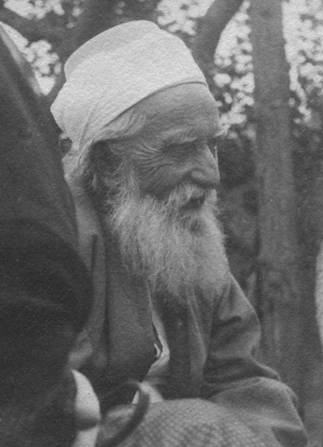
A retelling for children, based on Mahmúd's Diary, which kept track of 'Abdu'l-Bahá's journey across America in 1912.
In 1912 'Abdu'l-Bahá traveled across America. He spoke to crowds in halls, churches and universities. Mírzá Maḥmúd traveled with Him and wrote down what happened, day after day. He also wrote down smaller things, and some of them happened around the table.
One evening in Washington, a friend named Mrs Parsons gave a dinner for 'Abdu'l-Bahá at her house. She wrote in her own diary that 'Abdu'l-Bahá served the Persian dinner, and "served and talked while the others ate."
Mírzá Maḥmúd wrote that the Master would call His helpers into His room and serve them tea with His own hand. In San Francisco He did this every morning at dawn, after His prayers.
Sometimes He did the cooking too. Mírzá Maḥmúd wrote that during the journey 'Abdu'l-Bahá often cooked and prepared the meals Himself, especially when special guests were coming. In Montreal, in Canada, He invited people to lunch to share Persian rice cooked by one of His companions.
In November, back in Washington, the friends held a dinner. 'Abdu'l-Bahá said a prayer over the food. Then He told everyone to begin, and said:
"Tonight I myself wish to serve the friends of God."
He went around the tables several times, handing out sweets and flowers and putting a little rose perfume, called attar of rose, on each person.
This is a retelling for children. For the fuller account, see "The Master Who Served at Table".
Cite this story
Maḥmúd-i-Zarqání, M.. (1998). *Mahmúd's Diary: The Diary of Mírzá Maḥmúd-i-Zarqání*. George Ronald.
Record yourself reading this story
Recording stays on this device only. Nothing is uploaded.
Related stories
The Master Who Served at Table
Mahmúd's Diary records 'Abdu'l-Bahá serving tea to His companions with His own hand, cooking for guests, and waiting on the friends at dinner during His 1912 journey through America.
The Chronicler of the Master’s Journey
Mírzá Maḥmúd-i-Zarqání completed the first volume of his chronicle of ‘Abdu’l-Bahá’s 1912 journey in America at the end of 1913; at his sudden death the Guardian cabled that his outstanding services would shine evermore.
A Great Ship Comes to New York
When 'Abdu'l-Bahá's ship reached New York in April 1912, reporters came on board to ask why He had come. He told them He had come for universal peace and the unity of humankind.
The Answer at Ford Hall
In Boston in 1912, a speaker warned a large audience that a false Christ had come to America. 'Abdu'l-Bahá, speaking next, told them of the truth of all the Prophets of God, and especially of Christ.