Mary Hanford Ford on the Spread of the Cause
Star of the West Editors, Star of the West, (1915), Bahai News Service · Read original
When in Bahá'í history
Chicago (today: Chicago, Illinois, USA)
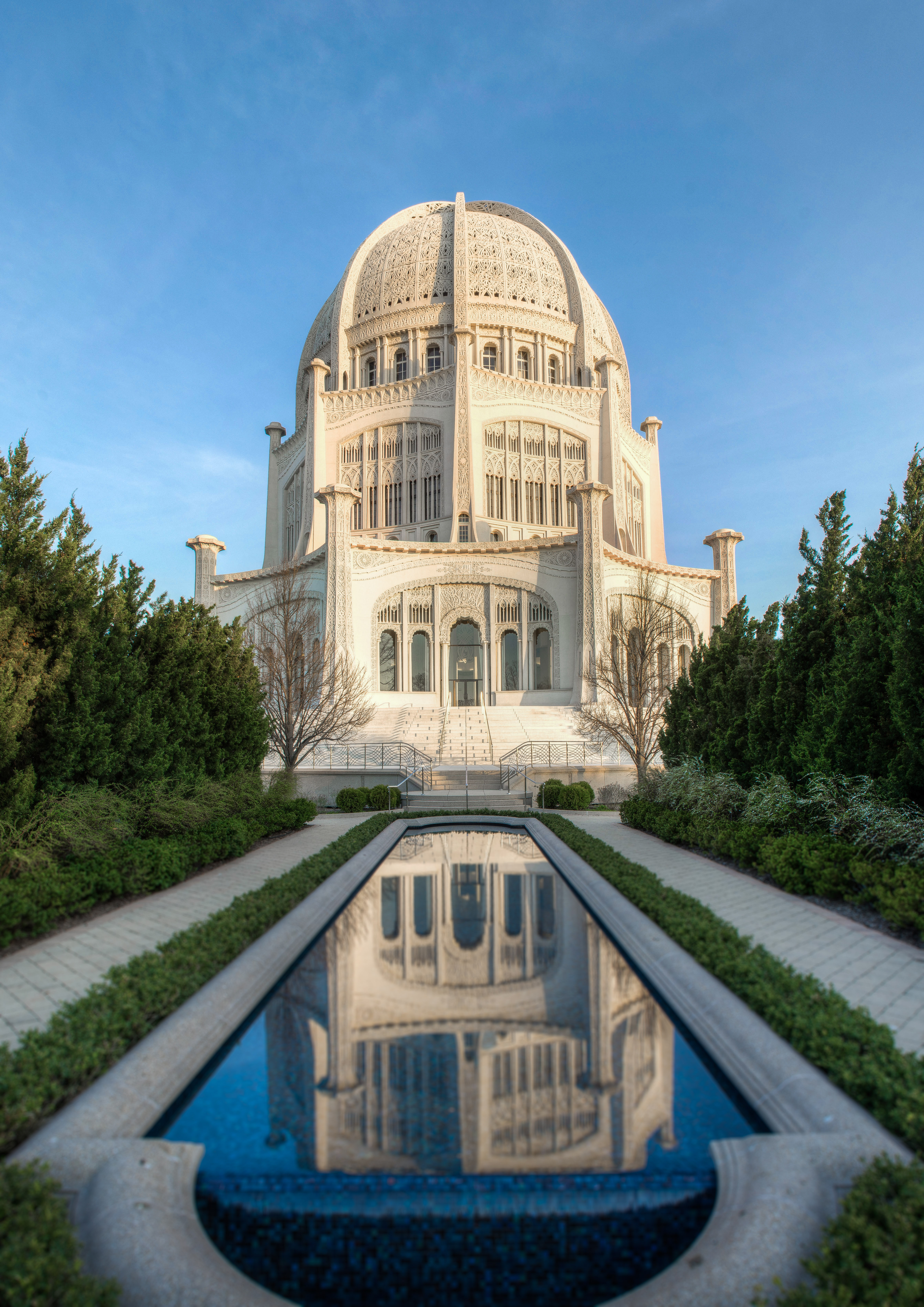
In the August 1915 issue of the Star of the West Mary Hanford Ford — a Chicago believer who would later become one of the prominent travel-teachers of the American community — contributed a long article surveying the Bahá'í communities then in existence across the United States.
Ford had collected her data carefully. She had written, over the previous year, to the contact persons listed in the Star of the West's directory of correspondents. She had asked each correspondent for the present number of believers in the city, the names of the regular gatherings, the addresses of the places where strangers might be received, and the names of the believers who had begun to teach in the surrounding towns.
The picture she assembled was both modest and surprising. The established communities — Chicago, New York, Washington, Boston, Cleveland, Cincinnati, San Francisco, Kenosha — were substantial, with regular weekly meetings and growing attendance. But Ford's article devoted as much space to the many small clusters: a handful of believers in Spokane; a single family in Salt Lake City; one couple in Helena; a correspondent each in Birmingham and Atlanta and Memphis; a Bahá'í household in New Orleans; a few friends in Pittsburgh and Philadelphia who met monthly.
In every city where two are gathered in His Name, the work has begun.
The phrase was Ford's own benediction over her catalogue. She had been determined to record not only the strong communities but every place where any believer at all could be located. She had wanted future travel-teachers to be able to plan their itineraries. She had wanted future historians, looking back, to know how widely the Cause had spread across the country even in its earliest American decades.
The catalogue would prove invaluable. The teachers who, in the next ten years, set out to consolidate the small clusters worked from Ford's lists. The Tablets of the Divine Plan, when they were unveiled in 1919, found a community that already knew, on a city-by-city basis, what the picture of the American Faith was. Many of the small clusters Ford had named in 1915 — Salt Lake City, Atlanta, Spokane, New Orleans — would become, within the next two decades, established Local Spiritual Assemblies in their own right.
The article was a small piece of organisational work. It was also an act of faith. Ford had assumed, by her writing of it, that the work would grow — that the small clusters of 1915 would in time become the great communities of 1935. The assumption was correct.
Source: Star of the West, Volume 6, article by Mary Hanford Ford, August 1915. Public domain text from bahai-library.com.
Cite this story
Editors, S. O. T. W.. (1915). *Star of the West*. Bahai News Service. https://bahai-library.com/star_of_the_west_volume_6
Record yourself reading this story
Recording stays on this device only. Nothing is uploaded.
Related stories
A Celestial Mirror: 'Abdu'l-Bahá at Mrs. Thornburgh-Cropper's
On September 13, 1911, in His first weeks in London, 'Abdu'l-Bahá addressed a small gathering at the home of Mrs. Thornburgh-Cropper. He spoke of the meeting itself as a mirror reflecting the Concourse on High — a quiet declaration that what mattered there was not earthly but heavenly.
John Esslemont: A Doctor at the Master's Side
Bahá'í Chronicles preserves the biographical record of John Ebenezer Esslemont — the Aberdeen physician who, after encountering the Cause in 1914, wrote the introductory work *Bahá'u'lláh and the New Era,* moved to Haifa to serve at the Master's side, and was named by Shoghi Effendi a Hand of the Cause after his early death in 1925.
Lua Getsinger: The Mother-Teacher of the West
Bahá'í Chronicles preserves the biographical record of Lua Aurelia Getsinger — the radiant Tennessee farm girl who, after the 1898 pilgrimage of fifteen Westerners to 'Akká, became the most celebrated travel-teacher of her generation, and whom 'Abdu'l-Bahá named *Livá* — *the Banner-Bearer.*
May Maxwell: A Mother of the Western Bahá'í Community
Bahá'í Chronicles preserves the biographical record of May Bolles Maxwell — one of the first pilgrims to 'Akká, the woman who established the Bahá'í community of Paris and of Montreal, the mother of Rúḥíyyih Khánum, and the travel-teacher whom Shoghi Effendi would name a martyr of the Faith after her death in Buenos Aires in 1940.