Quarters for the Bowery Mission
Star of the West Editors, Star of the West, (1917), Bahai News Service · Read original
When in Bahá'í history
New York (today: New York City, USA)
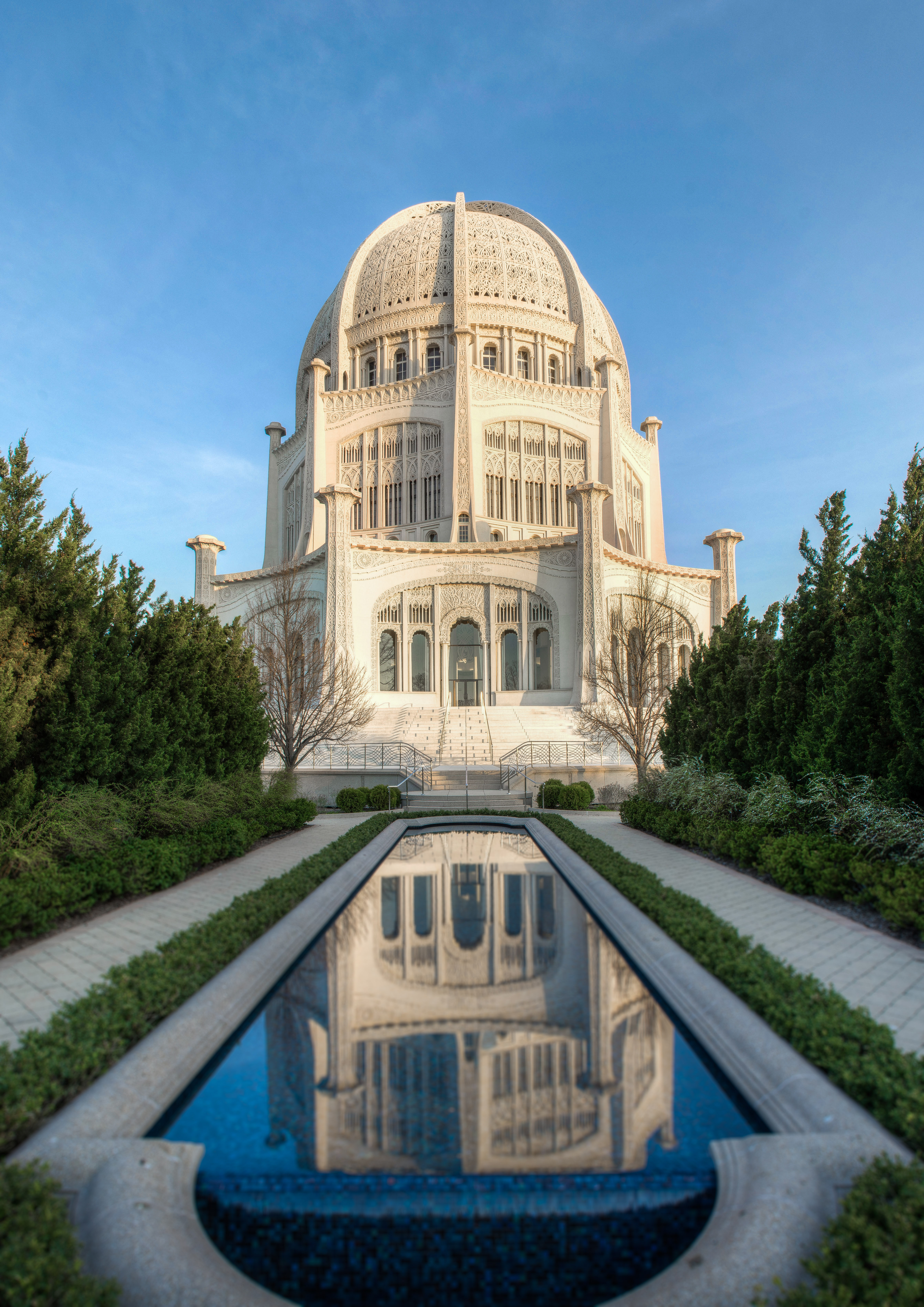
In its issue of April 28, 1917 (Volume 8, No. 3), the Star of the West printed extracts headed "Abdul-Baha's First Days in America: From Diary of Miss Juliet Thompson." Among them is the story of the Master's visit to the Bowery Mission, the mission hall for destitute men on New York's Bowery, in April 1912.
On the 18th of April, Juliet writes, He agreed to go to the Mission, and began to speak about it.
"I want to give them some money," He said to her. "I am in love with the poor. How many poor men go to the Mission?"
"About 300."
He drew a thousand-franc note from His breast pocket. "Take this bill to the bank, Juliet, and change it into quarters," He said. She was to keep the money and meet Him at the Mission with it, in a bag.
The next night, a Friday, they went to the Mission. The talk He gave there was taken down by a stenographer. "Tonight I am very happy," He began, "for I have come here to meet my friends. I consider you my relatives, my companions; and I am your comrade." He reminded the men that Jesus Himself was poor, and that Bahá'u'lláh, while in Baghdád and still possessed of great wealth, had left all He had and lived for two years among the poor. He closed by asking them to accept 'Abdu'l-Bahá as their servant. Then He stood at the entrance of the hall and shook hands with each man as he passed, pressing one, two or three quarters into his palm. The published record of the talk puts the number of men at four or five hundred.
About eighty quarters were left over. Back at the hotel, He emptied them suddenly into the hands of a young chambermaid who had spoken with Juliet the day before. When Mr. Grundy told her where the money had come from, she said that she, too, would give it away.
Later, as the friends sat around Him and someone asked whether charity was advisable, He answered with a laugh:
Surely, give to the poor! If you give them only words, when they put their hands into their pockets, they will find themselves no richer for you.
At that moment there was a little tap at the door. The chambermaid had come, her eyes glistening, to say goodbye, to thank Him for His goodness, and to ask Him to pray for her.
An article in an earlier issue of the same volume recorded the sequel: a year afterward nearly every one of the Bowery men had kept his quarter. As one of them said, "That was a heavenly man, and his quarter was not like other quarters."
A retelling based on Star of the West, Volume 8, No. 3 (April 28, 1917), "Abdul-Baha's First Days in America: From Diary of Miss Juliet Thompson," with the Bowery Mission talk as recorded in The Promulgation of Universal Peace (19 April 1912). For the fuller account, see the original.
Cite this story
Editors, S. O. T. W.. (1917). *Star of the West*. Bahai News Service. https://bahai.works/Star_of_the_West/Volume_8/Issue_3/Text
Record yourself reading this story
Recording stays on this device only. Nothing is uploaded.
Related stories
The Master's Last Friday
On the Friday before His passing in November 1921, 'Abdu'l-Bahá went to the noonday prayer and afterward, despite great fatigue, gave alms to the poor of Haifa as was His custom.
The Master Among the Poor of Paris
During His nine weeks in Paris in 1911, 'Abdu'l-Bahá spoke to a poor congregation in a mission hall, walked through a rowdy crowd that parted for Him, and comforted a weeping widow whose son faced a dangerous operation.
The Tenderness of the Greatest Holy Leaf
Bahíyyih Khánum, daughter of Bahá'u'lláh, knew poverty and exile from early childhood. Shoghi Effendi recalls her kindness in 'Akká, her care for the hungry who came to 'Abdu'l-Bahá's house during the First World War, and the support she gave him after 'Abdu'l-Bahá's passing.
Quarters for the Bowery Mission
Before speaking at New York’s Bowery Mission in April 1912, ‘Abdu’l-Bahá had two thousand-franc notes changed into quarters, and He pressed a gift of silver into the hand of each man there.