Why Do You Not Execute?
Howard Colby Ives, Portals to Freedom, (1937), George Ronald · Read original
When in Bahá'í history
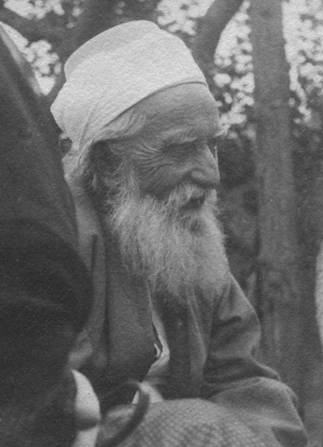
A retelling based on Portals to Freedom by Howard Colby Ives (George Ronald, 1937), chapter 13. The narrative is retold in our own words; the words in quotation marks are from the book. Read the full text for Ives's own telling.
In the last days of His stay in America, a subject very close to 'Abdu'l-Bahá's heart was the station that the believers were called to attain by accepting the teachings of Bahá'u'lláh. Howard Colby Ives, writing about those days, recalled a story told to him by one of the friends who had been at a meeting of the executive committee of the New York Spiritual Assembly.
'Abdu'l-Bahá had been asked to be present. He listened to their deliberations for half an hour or so, then calmly rose to leave. At the door He paused and looked at the faces turned towards Him. After a moment of silence, He said that He had been told this was a meeting of the executive committee.
"Yes, Master," said the Chairman.
Then, He asked, why did they not execute?
"Always was His emphasis upon deeds," Ives commented, deeds of a quality and purity that seemed to those who heard Him beyond reach. Yet He never lowered the standard. "And He set the example. There was no doubt of that." He never asked His followers to go anywhere He had not gone first.
A retelling based on Portals to Freedom (Howard Colby Ives, George Ronald, 1937), chapter 13. For the fuller account, see the original.
Cite this story
Ives, H. C.. (1937). *Portals to Freedom*. George Ronald. https://bahai-library.com/ives_portals_freedom
Record yourself reading this story
Recording stays on this device only. Nothing is uploaded.
Related stories
A Question at the Door
'Abdu'l-Bahá listened while a committee in New York talked things over. Then He stopped at the door and asked them one question.
The Question Answered by Silence
Howard Colby Ives asked ‘Abdu’l-Bahá why he should believe in Bahá’u’lláh. After a long silence the Master spoke of the sincerity a minister's heart must have, and only months later did Ives realize his question had been answered.
A Marriage at the Master's Wish
In New York in 1912, Lua Getsinger told Grace Robarts that ‘Abdu’l-Bahá wished her to marry Harlan Ober, a man she scarcely knew. Grace obeyed, and the Master Himself performed their marriage.
The Question That Came Back
Howard Colby Ives went to ask 'Abdu'l-Bahá what renunciation means. The Master talked about something else on the walk back, and then asked Howard a question of His own.