Kansas City: A Plains Reception
Mírzá Maḥmúd-i-Zarqání, Mahmúd's Diary: The Diary of Mírzá Maḥmúd-i-Zarqání, (1998), George Ronald
When in Bahá'í history
Kansas City (today: Kansas City, Missouri, USA)
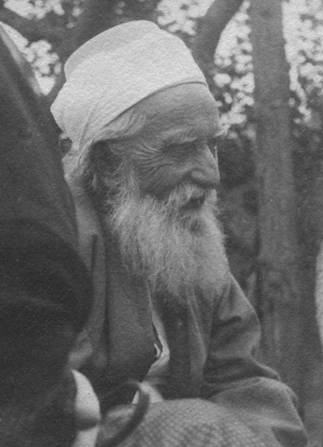
Mahmúd records that the Master's party arrived in Kansas City on the westward leg of the November 1912 itinerary. The visit had not been on the original published schedule. It was added at the request of friends in the Missouri-Kansas border region who had written, by telegram, to ask whether the train south might be held for a single afternoon at the Kansas City station to allow a small gathering.
The Master agreed. The party broke their journey for an afternoon. A small downtown hall — a meeting room rented for the occasion by the local friends — had been hastily prepared. Perhaps twenty-five believers and several inquirers had assembled by the time the train pulled in.
Mahmúd notes the geographical significance of the stop. Kansas City stood, in 1912, at the very middle of the continent — the western limit of the established old American Bahá'í communities, and the eastern limit of the great unsettled plains. To stop there was to mark a hinge. The Master used the afternoon to address that fact directly.
He spoke, in the rented hall, of the expansive future of the Faith in the American interior. He named the small Kansas City gathering not as a remote outpost but as a forward camp — the kind of small encampment from which a much greater spiritual work would, in time, set out. He encouraged the friends to consider their geographical isolation a gift rather than a burden. The very absence of established religious institutions in the new territories meant the Bahá'í teachings could, in places like Kansas, take root in soil that had not yet been encrusted with the prejudices of older settlements.
The talk closed with a personal exhortation. The Master addressed each believer present individually, asking by name about their family circumstances, their work, and the small acts of service they had been undertaking. Mahmúd records that several of the friends wept openly at being thus particularly known by the visiting Master.
The train south departed at evening. The Master continued His journey. The Kansas City friends carried home with them the unexpected blessing of an afternoon, arranged on a few days' notice, that none of them had quite dared to hope for.
Paraphrased from Mahmúd's Diary: The Diary of Mírzá Maḥmúd-i-Zarqání (George Ronald, 1998), entry for the Kansas City stop, October-November 1912; see original for full text.
Cite this story
Maḥmúd-i-Zarqání, M.. (1998). *Mahmúd's Diary: The Diary of Mírzá Maḥmúd-i-Zarqání*. George Ronald.
Record yourself reading this story
Recording stays on this device only. Nothing is uploaded.
Related stories
An Afternoon in the Middle of America
A few friends in the very middle of America asked if 'Abdu'l-Bahá's train could stop for just one afternoon — and to their joy, He said yes.
Omaha Stockyards: A Brief Stop on the Plains
Mahmúd's Diary records the brief stop of 'Abdu'l-Bahá's party at Omaha on September 21, 1912 — a single afternoon in the great cattle-and-rail city of the central plains, with a brief talk in the parlour of a downtown hotel and the next morning's departure westward.
The Small Room in Baltimore
Only a handful of friends gathered in one little parlour, but 'Abdu'l-Bahá came to them anyway — and told them that keeping the Faith in a quiet place is one of the most important jobs of all.
The City That Was Ready
When 'Abdu'l-Bahá came to Boston, He found a city whose people had been waiting and getting ready, in their own way, for a very long time.