Three Weeks at Dublin, New Hampshire
Mírzá Maḥmúd-i-Zarqání, Mahmúd's Diary: The Diary of Mírzá Maḥmúd-i-Zarqání, (1998), George Ronald
When in Bahá'í history
Dublin, New Hampshire (today: Dublin, NH, USA)
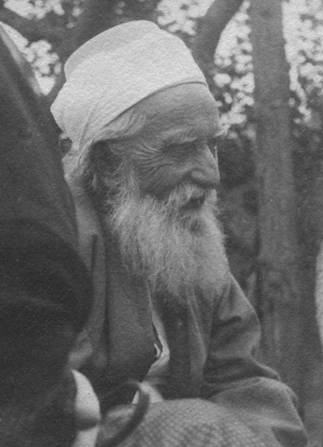
Late in July 1912, after months of talks in American cities, 'Abdu'l-Bahá travelled from Boston to Dublin, a summer resort in the hills of New Hampshire. Mírzá Maḥmúd-i-Zarqání records that He left Boston at four in the afternoon of the 25th of July, and by seven that evening was "gracing the gardens of Dublin."
Mrs Parsons, who spent her summers there, had prepared two houses for Him, furnished with every comfort. He took up residence in one of them, but told His companions that they must bear their own expenses. Mrs Parsons had hoped His arrival would stay private, so that He might rest a little. When He learned of this, He said:
We have come for work and service and not for leisure.
Because the town was full of prominent summer residents, He asked the friends not to teach openly unless people themselves asked, and to treat everyone with perfect dignity and honor.
On His second day some of Mrs Parsons's friends heard Him speak at her home, and from then on visitors came in great numbers. On several days He revealed Tablets in reply to letters from the friends in the East and the West. In the afternoons there were meetings at the Parsons home, where prominent guests asked about the immortality of the spirit, about economics, about the unity of the religions; some were so impressed that they came to every meeting. Mr Parsons took Him by carriage to Lake Dublin, where He spoke to the members of the club. He visited a summer school some twenty-five miles away, where students between twelve and eighteen surrounded His automobile; later they asked to show Him their gymnastic exercises, and He stayed a long while and spoke at length about education. At a meeting near Lake Dublin He spoke on unity between Black and white Americans. He addressed the congregation of the Unitarian Church in Dublin.
Not every hour went to meetings. After the daily meetings Mr and Mrs Parsons would come with their carriage to take Him riding; one day He said He would rather walk, and sent His companions for the ride instead. Another day, standing on the lawn and facing the green hills and valleys, He said:
How calm it is. No disturbing sound is heard. When a man observes the wafting of the breeze among these trees, he hears the rustling of the leaves and sees the swaying of the trees, it is as though all are praising and acknowledging the one true God.
On the 15th of August, His last day, the drawing room was so crowded that no seats were left. Mrs Parsons told Him that the people were sad He was leaving and wished He would stay. He replied that He, too, would have liked to stay longer, but He must go to Green Acre and other places: the days of His life in this world were limited, and He must raise the call of the Kingdom everywhere. Early the next morning His companions woke to hear Him chanting a prayer, and around ten o'clock Mr Lunt's automobile carried Him away toward Green Acre.
A retelling based on Mahmúd's Diary: The Diary of Mírzá Maḥmúd-i-Zarqání (George Ronald, 1998), entries for 25 July to 16 August 1912. For the fuller account, see the original.
Cite this story
Maḥmúd-i-Zarqání, M.. (1998). *Mahmúd's Diary: The Diary of Mírzá Maḥmúd-i-Zarqání*. George Ronald.
This story shares quotes with 1 other story
“We have come for work and service and not for leisure.”
Also in
- Summer Days in the Hills— Mírzá Maḥmúd-i-Zarqání, Mahmúd's Diary: The Diary of Mírzá Maḥmúd-i-Zarqání
Record yourself reading this story
Recording stays on this device only. Nothing is uploaded.
Related stories
The Answer at Ford Hall
In Boston in 1912, a speaker warned a large audience that a false Christ had come to America. 'Abdu'l-Bahá, speaking next, told them of the truth of all the Prophets of God, and especially of Christ.
Summer Days in the Hills
When 'Abdu'l-Bahá went to stay in the green hills of New Hampshire, His hostess hoped He could rest. But He said He had come to work and to serve, and He welcomed the many people who came to see Him.
'Abdu'l-Bahá in Boston
'Abdu'l-Bahá visited Boston three times in 1912. He addressed the Unitarian conference at Tremont Temple and the Free Religious Association at Ford Hall, spoke to journalists about peace, and later stayed a week at Malden.
A Question at Temple Emanu-El
In a San Francisco synagogue, 'Abdu'l-Bahá spoke about Moses and then asked His Jewish listeners why they should not also praise Christ and Muḥammad.