Why He Cried in the Garden
Mírzá Maḥmúd-i-Zarqání, Mahmúd's Diary, (1998), George Ronald · Read original
When in Bahá'í history
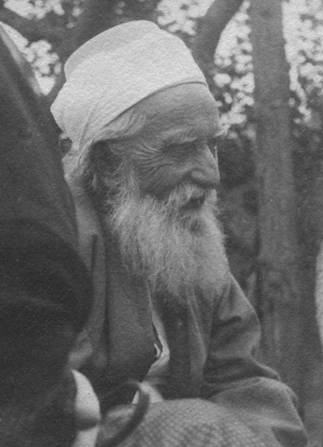
A retelling for children, based on Mahmúd's Diary by Mírzá Maḥmúd-i-Zarqání (George Ronald), from the entry for 4 June 1912.
It was a warm summer day, and the garden was one of the most beautiful places you could imagine.
'Abdu'l-Bahá had been staying at a big country house outside the city of New York. All around it stretched wide green lawns and shady trees and gardens full of flowers — the kind of soft, peaceful, almost overflowing beauty that a summer can pour out everywhere you look. The people who lived there had been so happy to have Him as their guest, and He, as always, had been kind to every single one of them.
Now it was time for Him to leave.
He walked out through the grounds the way He always moved — calm and gentle and full of grace, the way that everyone who ever met Him remembered for the rest of their lives. His eyes passed slowly over all that greenery: the tall trees, the bright gardens, the easy, gentle beauty of the whole place.
And then something happened that no one expected.
Right there, in the middle of all that loveliness, 'Abdu'l-Bahá began to cry.
It came without warning. One moment He was looking at the trees and the flowers, and the next, tears were running down His face. Why would the most beautiful garden in the world make Him weep?
The diary that tells this story tells us the reason, too. The beauty all around Him had carried His thoughts far, far away — across many years and across the wide sea — back to His Father, Bahá'u'lláh.
And He remembered everything His Father had suffered.
You see, 'Abdu'l-Bahá was standing free in a green and happy garden, in a country where people loved Him and lined up just to see Him. But His Father had spent so much of His life in the opposite of a garden. Bahá'u'lláh had been thrown into prison. He had been sent far from His home, again and again, to live in places where people did not want Him. He had even been put in chains. Enemies had been cruel to Him, and some people He had trusted had turned against Him.
While 'Abdu'l-Bahá walked free among the flowers, His heart had flown back to those dark prison-cities far away — and to His Father, who had carried all of that pain.
And here is the part that is most tender of all. 'Abdu'l-Bahá knew that the happy, free day He was living that very afternoon had been bought with His Father's suffering. All the years Bahá'u'lláh had spent in prison and in chains were the reason 'Abdu'l-Bahá could now travel freely and tell people everywhere about God's message. The freedom in that garden had a price — and His Father had paid it.
To the crowds who came to see Him, 'Abdu'l-Bahá almost always looked joyful. He was the one who comforted other people. He was the calm, warm center of every room He walked into. But just for this one quiet moment, it was as if a curtain lifted, and you could see what He carried inside His heart all the time: an enormous love for His Father, and a deep sadness for everything His Father had borne — a sadness so deep that even the most beautiful garden in the world could bring it back in an instant.
It tells us that His happiness was never the easy kind. It was a joy that had passed through sorrow and never forgot it. He could not even look at something beautiful without remembering the One who had suffered so much, so that beautiful days like this one could finally come.
That is what real love remembers. When someone gives up so much for us, the kindest thing we can do is never forget what it cost them — and to let that memory live quietly in our hearts, even on our happiest days.
This is a retelling for children. For the fuller account, see "Tears in the Garden".
Cite this story
Maḥmúd-i-Zarqání, M.. (1998). *Mahmúd's Diary*. George Ronald. https://bahai-library.com/zarqani_mahmuds_diary
Record yourself reading this story
Recording stays on this device only. Nothing is uploaded.
Related stories
Tears in the Garden
Leaving a green and beautiful estate outside New York, 'Abdu'l-Bahá looked at the lush grounds — and suddenly wept. His thoughts had flown back across the years to His Father, and to all that the Blessed Beauty had borne. A retelling from Mahmúd's Diary.
A cat purring beside His chair would amuse Him: this cat, He
A cat purring beside His chair would amuse Him: this cat, He remarked, is indeed joyous, so carefree, so free of…
At one time enemies of the Master, Covenant-breakers who lived in the
At one time enemies of the Master, Covenant-breakers who lived in the Mansion next to the Shrine, offered one of Bahá’u’lláh’s cloaks and a pair of His spectacles to the governor of Haifa. They encouraged him to go and visit ‘Abdu’l-Bahá…
Bahá’í poets and people of letters in Persia used to write poems in praise and
Bahá’í poets and people of letters in Persia used to write poems in praise and glorification of ‘Abdu’l-Bahá. But the resident Bahá’ís in Akká were very careful not to breathe a word about His glorious station. They knew He had often…