A New Year for Everyone
J. E. Esslemont, Bahá'u'lláh and the New Era, (1923), George Allen & Unwin · Read original
When in Bahá'í history
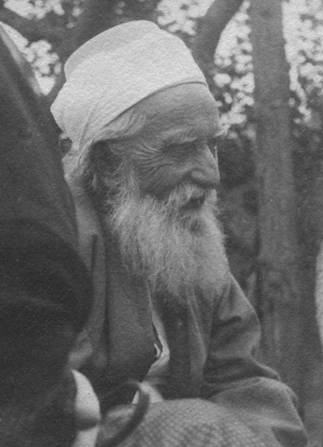
A retelling for children, based on Bahá'u'lláh and the New Era by J. E. Esslemont, which records a talk 'Abdu'l-Bahá gave at Naw-Rúz in Alexandria, Egypt, in 1912.
In March 1912 'Abdu'l-Bahá was in Alexandria, a city in Egypt on the shore of the Mediterranean Sea. Naw-Rúz, the Bahá'í New Year, came on the first day of spring, and 'Abdu'l-Bahá spoke to His friends about it.
He said that in every age God has given people blessed feast days. On those days, He said, work and business should stop, and everyone should rejoice together and meet as one gathering, so that all could see the unity and harmony of the people.
He also said that a blessed day should not be spent only on having fun. On such days, He said, people should start things that will help others for a long time. The good things the friends of God do on such a day should reach all people, and not only Bahá'ís, because the mercy of God is for everyone. He said, "Therefore, my hope is that the friends of God, every one of them, may become as the mercy of God to all mankind."
Esslemont also tells how the Bahá'ís in Persia kept their feasts. They gathered for picnics and parties with music, the chanting of holy verses, and short talks. On the days just before the month of fasting, they welcomed friends, gave presents, and cared for people who were poor or sick.
This is a retelling for children. For the fuller account, see "'Abdu'l-Bahá's Naw-Rúz Talk in Alexandria".
Cite this story
Esslemont, J. E.. (1923). *Bahá'u'lláh and the New Era*. George Allen & Unwin. https://www.gutenberg.org/cache/epub/19241/pg19241-images.html
Record yourself reading this story
Recording stays on this device only. Nothing is uploaded.
Related stories
'Abdu'l-Bahá's Naw-Rúz Talk in Alexandria
In 1912, on the Feast of Naw-Rúz in Alexandria, Egypt, 'Abdu'l-Bahá explained the meaning of the blessed days appointed in every dispensation — days for rejoicing together, for unity, and for leaving "tangible philanthropic or ideal traces" reaching all mankind.
Theosophy
When ‘Abdu’l-Bahá was asked if he recognized the good which the Theosophical Society has done.
God Loveth Those Who Work in Groups
O ye friends of God! Today is the day of union and this age is the age of harmony in the world of existence. “Verily, God loveth those who are working in His path in groups, for they are a solid foundation.”
Living the Life
When asked on one occasion: “What is a Bahá’í?” ‘Abdu’l-Bahá replied: “To be a Bahá’í simply means to love all the world; to love humanity and try to serve it; to work for universal peace and universal brotherhood.”