A Newspaper’s Tribute from ‘Akká
bahaistories.com archive · Read original
When in Bahá'í history
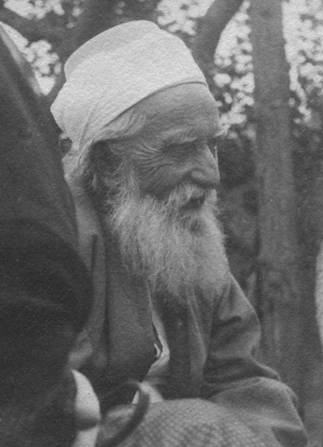
In 1914 The Christian Commonwealth carried words of praise for ‘Abdu’l-Bahá:
“It is wonderful to see the venerable figure of the revered Bahá’í leader passing through the narrow streets of this ancient town [‘Akká], where he lived for forty years as a political prisoner, and to note the deep respect with which he is saluted by the Turkish officials and the officers of the garrison from the Governor downward, who visit him constantly and listen with the deepest attention to his words. ‘The Master’ does not teach in Syria as he did in the West, but he goes about doing good, and Muslims and Christians alike share his benefactions. From sunrise often till midnight he works, in spite of broken health, never sparing himself if there is a wrong to be righted or a suffering to be relieved. To Christians who regard ‘Abdu’l-Bahá with impartial and sympathetic eyes, this wonderful selfless life cannot fail to recall that life whose tragic termination on Calvary the whole Christian world recalls …”
Source: Annamarie Honnold, Vignettes from the Life of ‘Abdu’l-Bahá, pp. 11–12.
Collected from bahaistories.com (Subject: service).
Cite this story
Various. *bahaistories.com archive*. https://bahaistories.com/subject/service
Record yourself reading this story
Recording stays on this device only. Nothing is uploaded.
Related stories
The First Summer
“We had no communication whatever with the out-side world. Each loaf of bread was cut open by the guard to see that it contained no message. All who believed in the Bahá’í manifestation, children, men and women, were imprisoned with us.”
Strict Imprisonment Renewed
In consequence of this and other equally unfounded charges, in 1901, ‘Abdu’l-Bahá and His family, who for more than twenty years had been allowed the freedom of the country for some miles around Akká, were again, for over seven years …
Planting Trees Under Threat of Exile
While the Sultán's commissions of inquiry threatened 'Abdu'l-Bahá with exile or death, He refused every offer of escape and went on serenely with His work, until the Young Turk Revolution of 1908 set Him free.
The Master and the Poor of 'Akká
In 'Akká 'Abdu'l-Bahá gave coins to the poor in the street, a warm garment each winter to every poor person in the town, and help to the sick of every faith. During the First World War He saved the civilians of Haifa from starvation.