A Shining Light for God
Star of the West Editors, Star of the West, (1913), Bahai News Service · Read original
When in Bahá'í history
Montreal (today: Montreal, Canada)
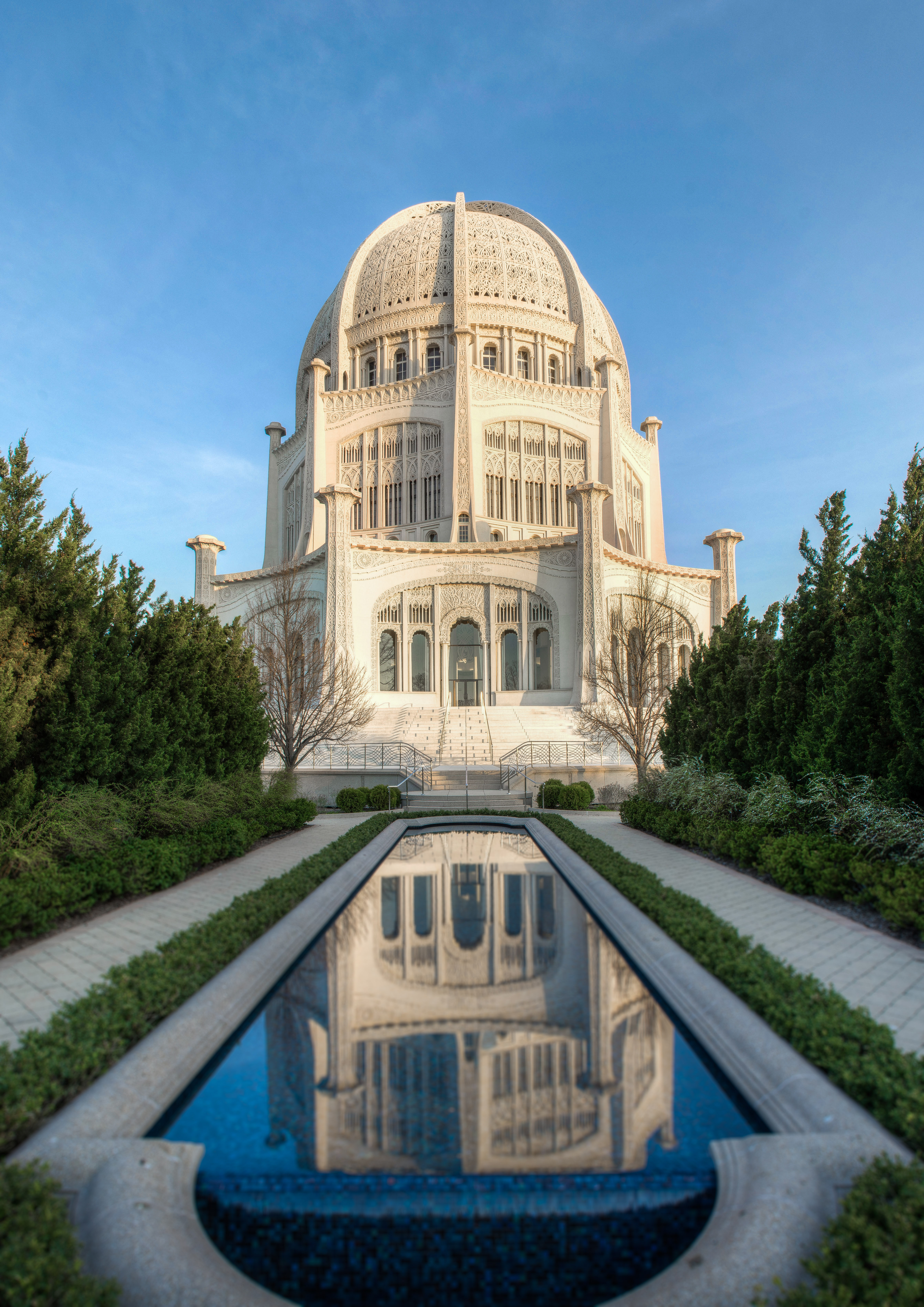
In Volume 3, No. 19 of the Star of the West, dated 2 March 1913, the editors printed a short notice headed "Leslie Armstrong."
During January, it reported, little Leslie Armstrong of Montreal, Canada, had died after being crushed by an automobile. The notice gave the words of his parents to the Bahá'í friends, in a letter signed by his father, Henry F. Armstrong.
The parents thanked the friends for the affection and loving sympathy they had shown "at a time when we were called upon to part with a priceless treasure." They wrote that God had taken the boy to Himself, sparing him the pain and distress this life would have given him after so serious an injury to his head.
'Abdu'l-Bahá had met Leslie during His visit to Montreal in the late summer of 1912. His father wrote:
Our revered Abdul-Baha, during his visit to Montreal, filled Leslie's hands with fruit, put his hand on his head and kissed him, and said he would be a shining light for God, and so we believe that our little one has been privileged to be called to serve as a little soul-star in the realms beyond.
A retelling based on Star of the West, Volume 3, No. 19 (March 2, 1913), notice on Leslie Armstrong of Montreal. For the fuller account, see the original.
Cite this story
Editors, S. O. T. W.. (1913). *Star of the West*. Bahai News Service. https://bahai.works/Star_of_the_West/Volume_3/Issue_19/Text
Record yourself reading this story
Recording stays on this device only. Nothing is uploaded.
Related stories
Louis Gregory Meets the Master
On April 10, 1911, the day he landed at Alexandria, Louis G. Gregory of Washington met 'Abdu'l-Bahá for the first time. The Master kissed his head, asked after his health and told him, "I am happy to have you here."
Be Happy in the Present
On a drive near Thonon in August 1911, 'Abdu'l-Bahá bought violets from peasant children and stopped at a waterfall. When Juliet Thompson wished she could follow Him all her life, He told her to be happy in the present.
The Photographer of the Holy Places
Muḥammad Labíb started a savings company for schoolchildren that 'Abdu'l-Bahá blessed. Later he travelled across Persia with Effie Baker as she photographed the places of early Bahá'í history.
Violets and a Waterfall
On a drive near Lake Geneva in 1911, 'Abdu'l-Bahá bought all the violets a group of village children were selling. Later, when Juliet wished she could follow Him all her life, He told her to be happy in the present.