After the Sinking of the Titanic
'Abdu'l-Bahá, The Promulgation of Universal Peace, (1922), Bahá'í Publishing Trust · Read original
When in Bahá'í history
Washington, D.C. (today: Washington, D.C., USA)
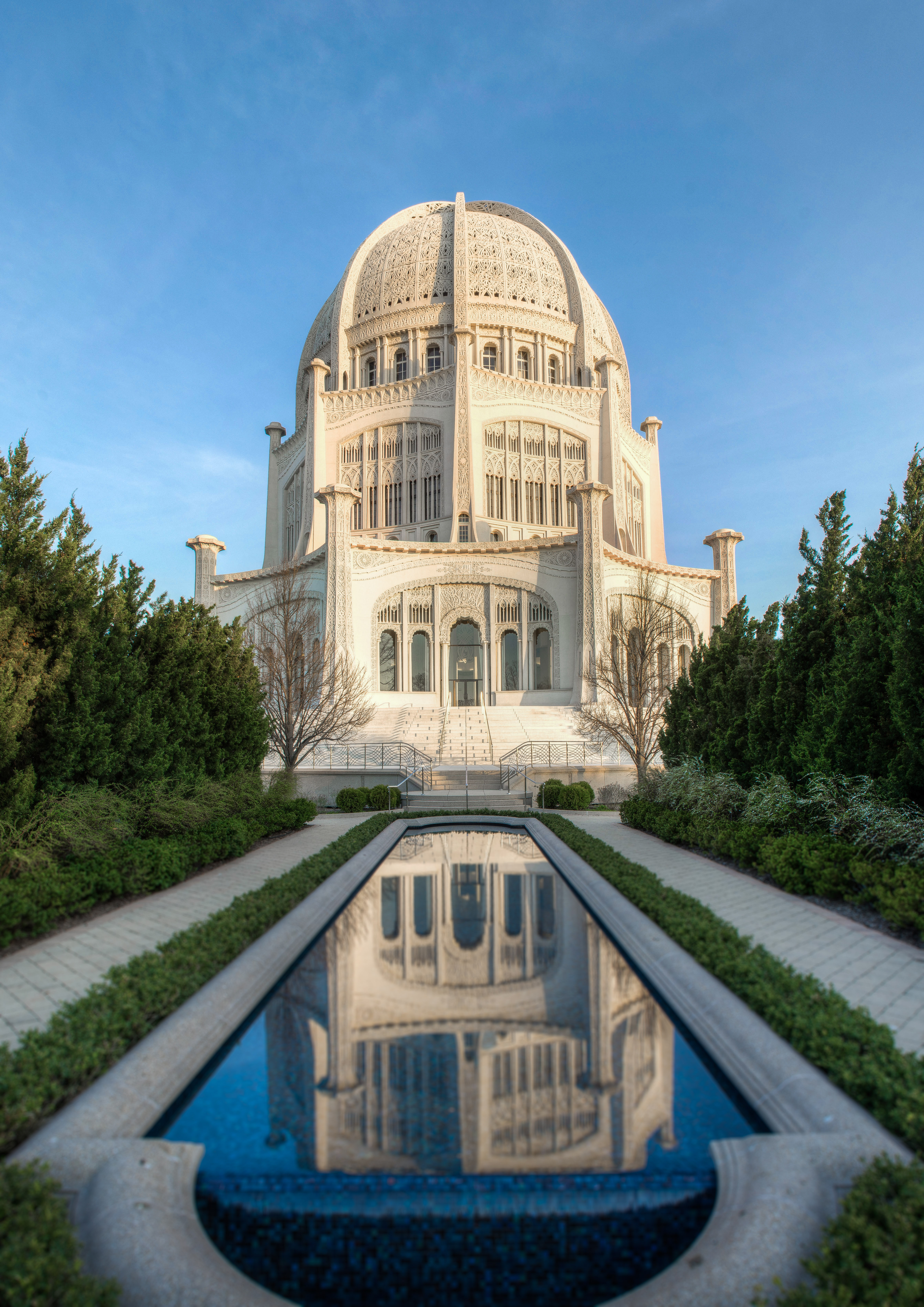
The Titanic sank on the night of April 14–15, 1912. About a week later, at the home of Mr. and Mrs. Arthur J. Parsons in Washington, ‘Abdu’l-Bahá spoke of it. The Promulgation of Universal Peace dates the talk April 23, while Mahmúd’s diary places it on the afternoon of April 22. He had been speaking, He said, from dawn until then, but had come to speak again briefly.
He called it an event saddening to every heart, and said He had been greatly affected by it: some of those who were lost had voyaged with Him on the Cedric as far as Naples before sailing on the other ship. But the worlds of God, He said, are infinite. Those who were lost had been transferred from the temporary to the eternal, and it was the duty of those left behind to remember them in their prayers.
He then compared the soul’s passing from this world to birth. At first the infant finds it very difficult to reconcile itself to its new existence, He said. It cries as if it did not wish to leave its narrow abode, imagining that life is restricted to that limited space. Once born, it finds that it has passed from darkness into a sphere of radiance, and it looks with wonder and delight on the mountains and meadows, the rivers and the stars.
At first it is very difficult to welcome death, but after attaining its new condition the soul is grateful, for it has been released from the bondage of the limited to enjoy the liberties of the unlimited.
The souls lost in the Titanic, He said, had hastened to a world superior to this.
Such events, He added, also teach a lesson. Men imagine that the size of a ship or the skill of a navigator ensures safety, but God is the real Protector. He was careful to add that this does not excuse carelessness. Man must build the best ship and provide the most experienced captain, and, withal, rely upon God.
A retelling based on The Promulgation of Universal Peace (talk dated 23 April 1912 at the home of Mr. and Mrs. Arthur J. Parsons, Washington, D.C.), with a detail from Mahmúd’s Diary. For the fuller account, see the original.
Cite this story
'Abdu'l-Bahá. (1922). *The Promulgation of Universal Peace*. Bahá'í Publishing Trust. https://www.bahai.org/library/authoritative-texts/abdul-baha/promulgation-universal-peace/
Record yourself reading this story
Recording stays on this device only. Nothing is uploaded.
Related stories
Neither Whip nor Sword
At a dinner at the Parsons home in Washington on April 22, 1912, 'Abdu'l-Bahá told how a Zoroastrian high priest lost his prejudice against Muḥammad, and compared it with the power that had brought East and West to one table.
O Bird of the Rose-Garden of Fidelity!
O bird of the Rose-garden of Fidelity! Be of no cheerless heart; have no wing nor feather broken; sigh not, neither do thou wail, and sit not chilled in a corner.
The French Teacher in the Master's Home
Letitia, a Catholic girl who taught French in the Master's home, was embarrassed after interpreting for a pilgrim. ‘Abdu’l-Bahá assured her that no one would try to make a Bahá’í of her.
All the Doors Open in Montreal
In a Tablet to the Bahá’ís of Canada, ‘Abdu’l-Bahá recalls how He was warned not to go to Montreal, and how, trusting in God, He went and found every door open and the hearts receptive.