The True Shepherds
'Abdu'l-Bahá, The Promulgation of Universal Peace, (1922), Bahá'í Publishing Trust · Read original
When in Bahá'í history
Fanwood (today: Fanwood, New Jersey, USA)
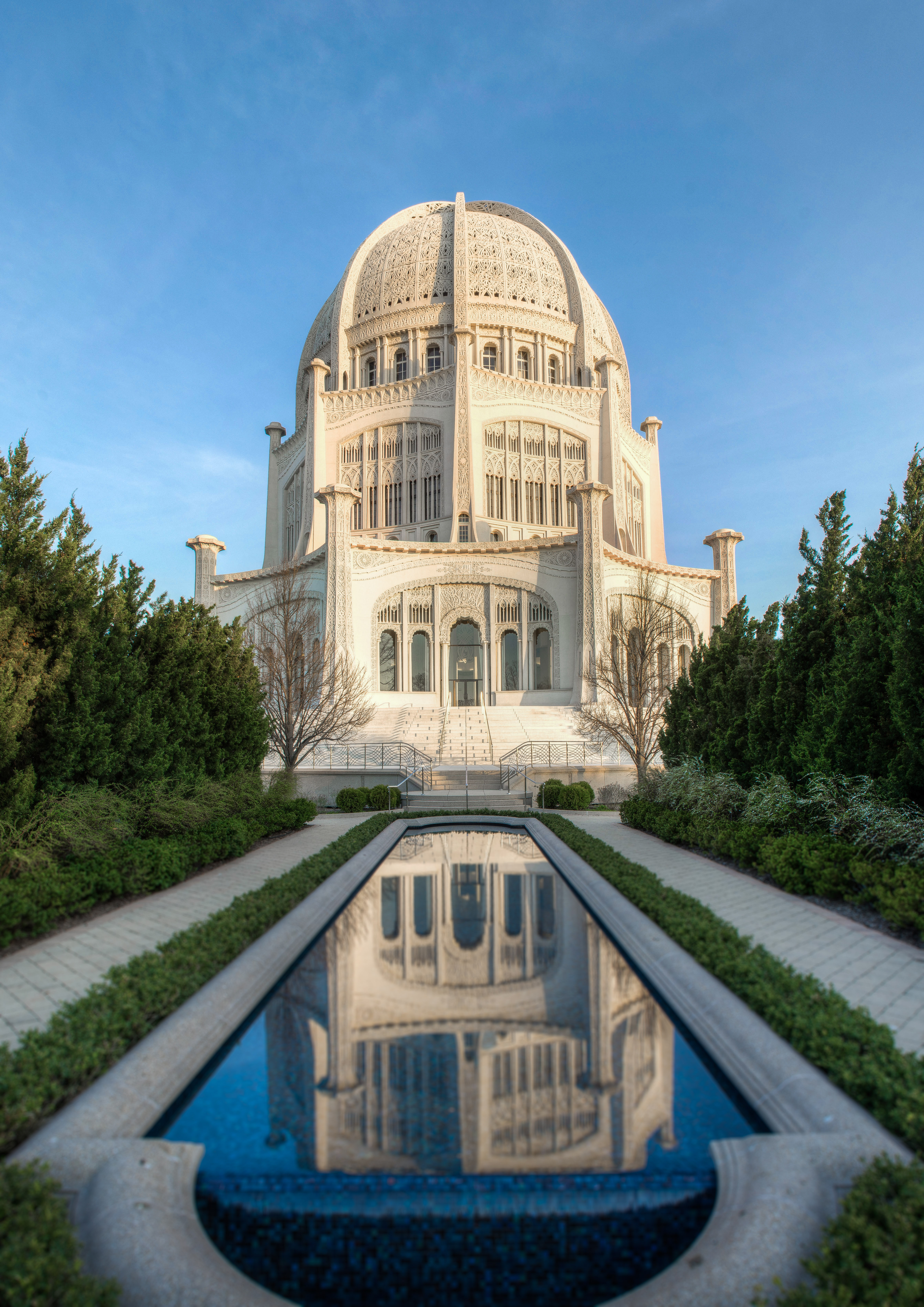
On 31 May 1912 ‘Abdu’l-Bahá spoke at the Town Hall in Fanwood, New Jersey. The talk survives in The Promulgation of Universal Peace from Persian notes.
He began by saying that the Cause of the Kingdom is eternal, yet day by day its power in human hearts was weakening. Materialists were advancing, and irreligion had conquered religion.
The cause of the chaotic condition lies in the differences among the religions and finds its origin in the animosity and hatred existing between sects and denominations.
The materialists, He said, were using this dissension to attack religion itself; a commander at odds with his own army will be defeated by the enemy. He gave an example from history. The Hebrew prophets had been sent to announce Christ, but the talmudic traditions veiled Him so completely that the promised Messiah was not recognized. Had the people investigated the reality of the religion of Moses, they would have believed in Christ. Blind adherence to the forms of their ancestors had kept them from Him.
Imitation destroys the foundation of religion, extinguishes the spirituality of the human world, transforms heavenly illumination into darkness and deprives man of the knowledge of God.
He asked whether God, who had sent Moses and Jesus, could not bestow the same favours, or greater ones, in this day. Then He turned to the work of the Prophets:
The work of the shepherd is to bring together the scattered sheep. If he disperses the united flock, he is not the shepherd.
Moses found the Israelites disorganized and divided. He united them, freed them from captivity and led them out of Egypt into the Holy Land. Christ found the Greeks, Romans, Assyrians and Egyptians like so many scattered flocks and breathed upon them the spirit of unity.
Therefore, it is evident that the Prophets of God have come to unite the children of men and not to disperse them, to establish the law of love and not enmity.
He closed by asking His hearers to lay aside all prejudice, "whether it be religious, racial, political or patriotic," to strive for universal peace and to become the cause of the unification of the human race.
A retelling based on The Promulgation of Universal Peace ('Abdu'l-Bahá), talk of 31 May 1912 at the Town Hall, Fanwood, New Jersey (from Persian notes). For the fuller account, see the original.
Cite this story
'Abdu'l-Bahá. (1922). *The Promulgation of Universal Peace*. Bahá'í Publishing Trust. https://www.bahai.org/library/authoritative-texts/abdul-baha/promulgation-universal-peace/
Record yourself reading this story
Recording stays on this device only. Nothing is uploaded.
Related stories
Neither Whip nor Sword
At a dinner at the Parsons home in Washington on April 22, 1912, 'Abdu'l-Bahá told how a Zoroastrian high priest lost his prejudice against Muḥammad, and compared it with the power that had brought East and West to one table.
A Reflection of the Heavenly Concourse
On 13 September 1911, nine days after arriving in London, 'Abdu'l-Bahá spoke at the home of Mrs. Thornburgh-Cropper and described the meeting as a reflection of the heavenly concourse.
Religion
To most men who have not heard the message of this teaching, religion seems an outward form, a pretence, merely a seal of respectability.
The Beloved of God
The spiritual love of God maketh man pure and holy and clotheth him with the garment of virtue and purity.