Consult with Mrs. True
bahaistories.com archive · Read original
When in Bahá'í history
'Akká (today: Acre, Israel)
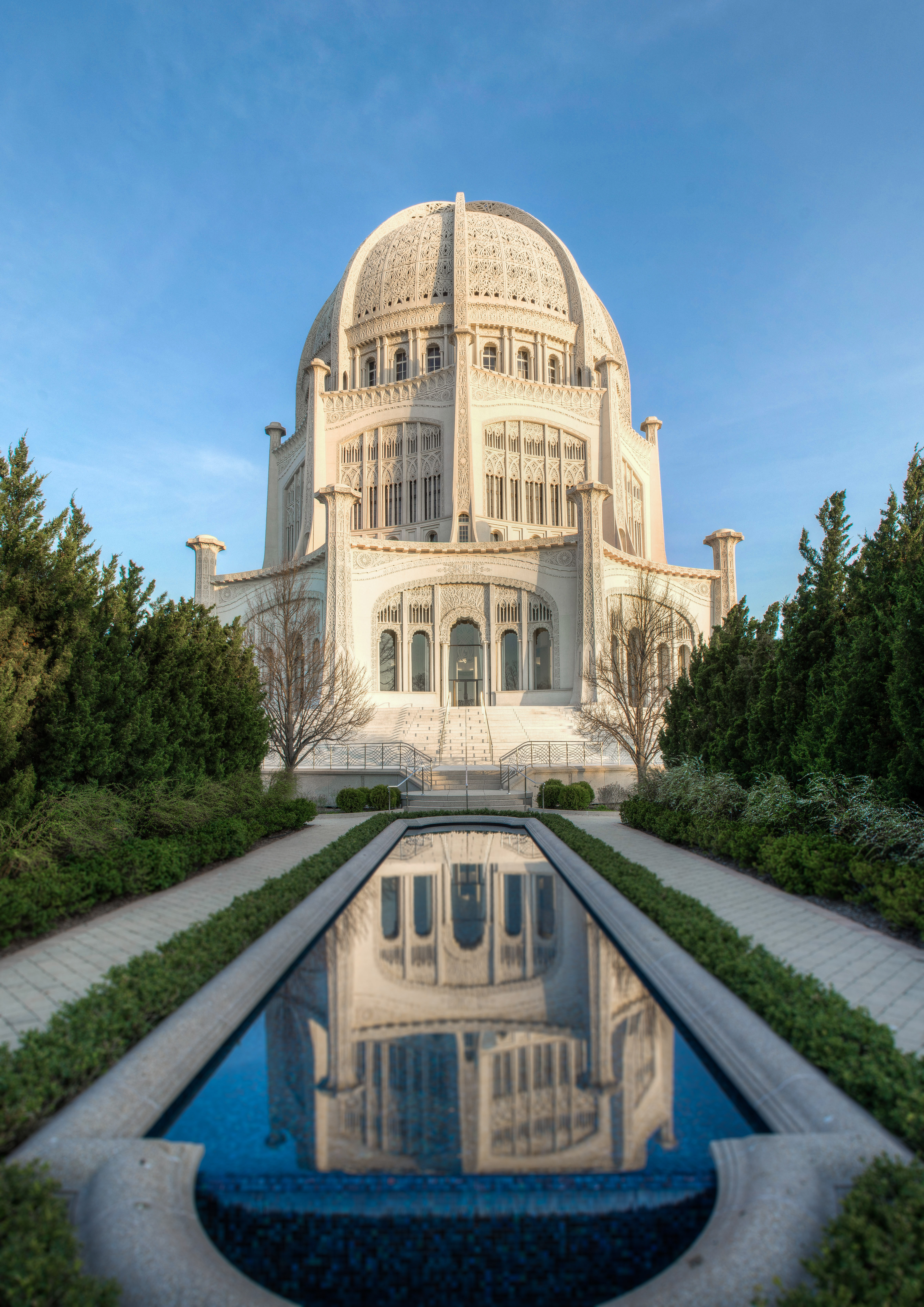
Thornton Chase, named by the Master as the first American Bahá’í, along with Carl Scheffler and Arthur Agnew, members of Chicago's House of Spirituality, arrived in the Holy Land right after Corinne True had departed, and ‘Abdu’l-Bahá surprised them all. Responding to a question by Mr. Chase about the Temple, He said, "When you return consult with Mrs. True — I have given her complete instructions." These directions baffled the three men because, up to that point, only men had served on the House of Spirituality and were involved in decision-making. Being given the responsibility for the Temple was extremely challenging, particularly as a woman in a country where women did not yet have the opportunity to vote.
Source: Earl Redman, ‘Abdu’l-Bahá in Their Midst, pp. 110–111.
Collected from bahaistories.com.
Cite this story
Various. *bahaistories.com archive*. https://bahaistories.com/subject/equality
Record yourself reading this story
Recording stays on this device only. Nothing is uploaded.
Related stories
Parables from Simple Things
‘Abdu’l-Bahá would begin a conversation with something simple, such as the weather, a stone or a bird, and weave it into a parable of spiritual truth, speaking easily and clearly in brief phrases.
Corinne True Is Asked to Speak
Before leaving for Minneapolis, ‘Abdu’l-Bahá asked Corinne True to speak about the Faith in public; when she protested that she had no training, He told her to turn her heart wholly toward Him.
The Temple Is Already Built
At the dedication of the Temple site in Wilmette on 1 May 1912, the golden trowel could not break the ground, so ‘Abdu’l-Bahá swung an axe. Women and people of many races then dug, and He declared the Temple already built.
Thornton Chase, the First American Believer
The life of Thornton Chase, whom ‘Abdu’l-Bahá called “the first American believer,” from his long spiritual search to his service in Chicago, and the Master’s visit to his grave in 1912.