The Car Delivered at Once
bahaistories.com archive · Read original
When in Bahá'í history
Haifa (today: Haifa, Israel)
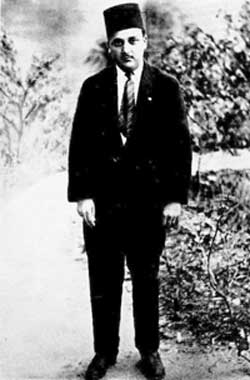
I remember the Guardian telling me of how (I believe it must have been in early 1920) one of the old American Bahá’ís had sent a gift to the Master of a Cunningham automobile; notice of its arrival at the quayside in port came just as the weekend commenced and the Master gave Shoghi Effendi instructions to see that it was cleared and delivered to the house. Shoghi Effendi told me that although the next day there were no high officials in the port and it was not a business day, he succeeded in getting the car delivered and when it arrived he went to the Master and informed Him it was outside the door. He said the Master was very surprised and immensely pleased and asked him how he had succeeded in doing this. Shoghi Effendi told Him he had taken the papers and gone to the homes of various officials, asking them to sign the documents and give the necessary orders for the car of Sir ‘Abdu’l-Bahá ‘Abbas to be delivered to Him at once. This was typical of the way Shoghi Effendi did his work throughout his entire life. He always wanted everything done at once, if not sooner, and everything he had any personal control over progressed at that speed.
Source: Rúḥíyyih Khánum, The Priceless Pearl, p. 29.
Collected from bahaistories.com (Subject: efficiency).
Cite this story
Various. *bahaistories.com archive*. https://bahaistories.com/subject/efficiency
Record yourself reading this story
Recording stays on this device only. Nothing is uploaded.
Related stories
The Master and the Coachman
Shoghi Effendi told how a coachman at Ramleh demanded an exorbitant fare from ‘Abdu’l-Bahá and pulled Him roughly by His sash. The Master stayed calm, refused to give in, and paid exactly what He owed, without the tip.
A Day in the Guardian’s Life
Leroy Ioas describes Shoghi Effendi’s day in Haifa: prayer from 5:30 in the morning, his vast mail, the pilgrims from East and West and the International Bahá’í Council, until late at night, every day of the week.
Shoghi Effendi as a Boy
Rúḥíyyih Khánum recalls that the Guardian as a small boy was the high-spirited ringleader of the children, and that ‘Abdu’l-Bahá once wrote a short sentence about how much he ran about.
Shoghi Effendi at Oxford
At Oxford, the young Shoghi Effendi worked day and night to perfect his English so that he could translate the holy writings, until the news of 'Abdu'l-Bahá's passing called him home.