Better Conditions
'Abdu'l-Bahá, 'Abdu'l-Bahá in London, (1912) · Read original
When in Bahá'í history
London (today: London, UK)
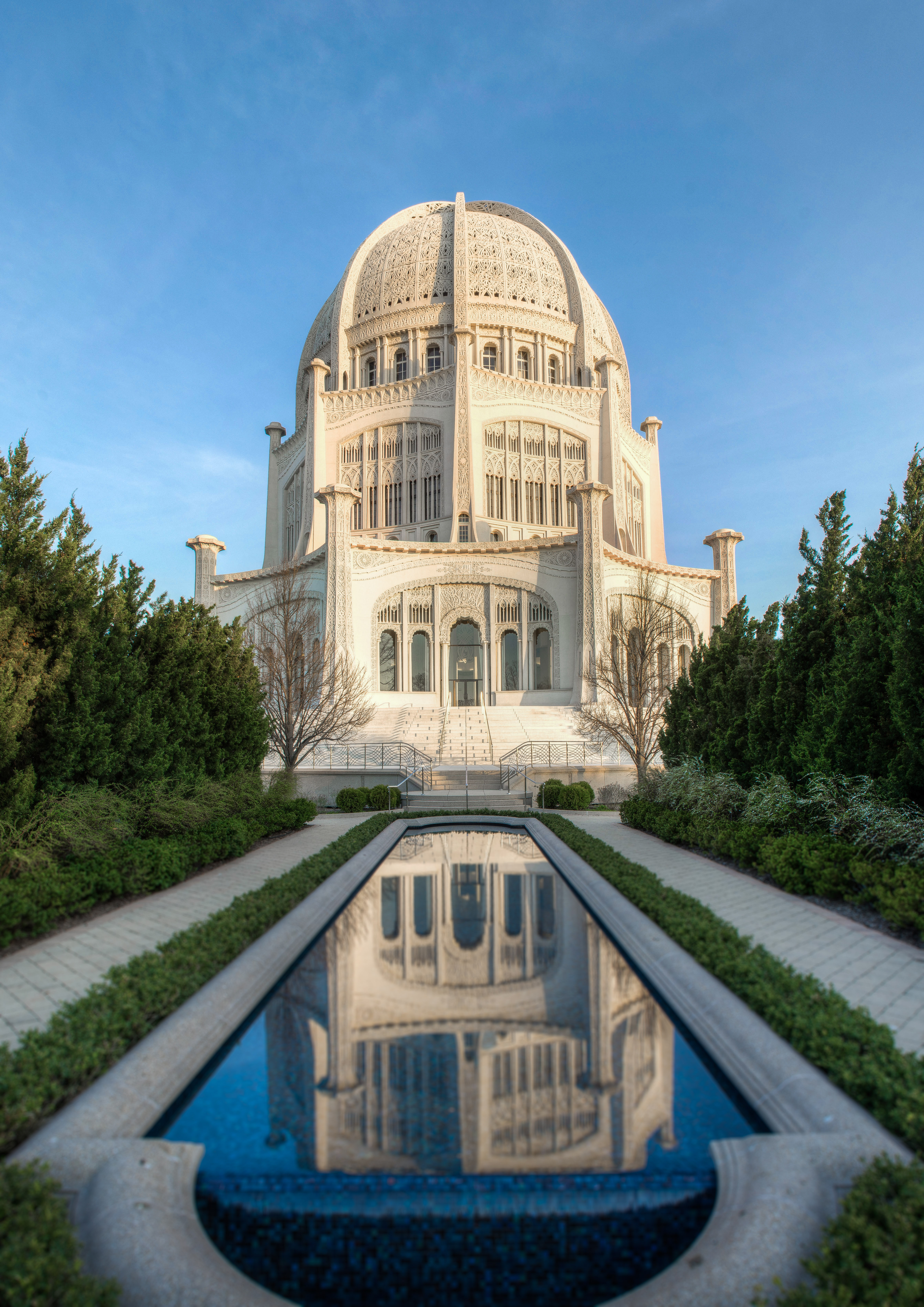
“After two years of the strictest confinement permission was granted me to find a house so that we could live outside the prison walls but still within the fortifications. Many believers came from Persia to join us but they were not allowed to do so. Nine years passed. Sometimes we were better off and sometimes very much worse. It depended on the governor, who, if he happened to be a kind and lenient ruler, would grant us permission to leave the fortification, and would allow the believers free access to visit the house; but when the governor was more rigorous, extra guards were placed around us, and often pilgrims who had come from afar were turned away.”
I learned, afterwards, from a Persian, who, during these troublous times, was a member of ‘Abdu’l-Bahá’s household, that the Turkish government could not credit the fact that the interest of the English and American visitors was purely spiritual and not political. Often these pilgrims were refused permission to see him, and, many times, the whole trip from America would be rewarded merely by a glimpse of ‘Abdu’l-Bahá from his prison window.
The Government thought that the tomb of the Báb, an imposing building on Mount Carmel, was a fortification erected with the aid of American money, and that it was being armed and garrisoned secretly. Suspicion grew with each new arrival, resulting in extra spies and guards.
Source: 'Abdu'l-Bahá, 'Abdu'l-Bahá in London (1912). Public domain text from Project Gutenberg eBook #19250.
Cite this story
'Abdu'l-Bahá. (1912). *'Abdu'l-Bahá in London*. https://www.gutenberg.org/cache/epub/19250/pg19250-images.html
Record yourself reading this story
Recording stays on this device only. Nothing is uploaded.
Related stories
‘Abdu’l-Ḥamíd’s Committee
“One year before ‘Abdu’l-Ḥamíd was dethroned, he sent an extremely overbearing, treacherous and insulting committee of investigation. The chairman was one of the governor’s staff, Árif Bey, and with him were three army commanders…
The Release
“With the advent of the Young Turks’ supremacy, realized through the Society of Union and Progress, all the political prisoners of the Ottoman Empire were set free. Events took the chains from my neck and placed them about Hamíd’s;…
Memorial of Shamsu’d-Ḍuḥá
Khurshíd Begum, who was given the title of Shamsu’d-Ḍuḥá, the Morning Sun, was mother-in-law to the King of Martyrs.
Memorial of Zaynu’l-Muqarrabín
This distinguished man was one of the greatest of all the Báb’s companions and all the loved ones of Bahá’u’lláh.