A Good Listener
bahaistories.com archive · Read original
When in Bahá'í history
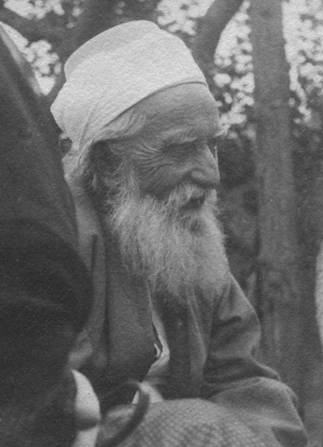
‘Abdu’l-Bahá was not afraid of silence; indeed, He knew its virtue. Howard Colby Ives has recalled: “To the questioner He responded first with silence—an outward silence. His encouragement always was that the other should speak and He listen. There was never that eager tenseness, that restlessness so often met showing most plainly that the listener has the pat answer ready the moment he should have a chance to utter it.” And Ives recounts a charming story about another Unitarian minister who was interviewing ‘Abdu’l-Bahá for an article on the Bahá’í Faith. His questions were long. The Master listened ‘with unwearied attention’, replying mostly in monosyllables, but relaxed and interested. A great ‘understanding love’ flowed from Him to the minister. Ives grew impatient, but not the Master; His guest must be heard fully. When at last His questioner paused, after a brief silence ‘Abdu’l-Bahá spoke to him with wisdom and love, calling him ‘my dear son’. Within five minutes the minister “had become humble, for the moment, at least, a disciple at His feet …. Then ‘Abdu’l-Bahá rose … lovingly embraced the doctor and led him towards the door. At the threshold He paused. His eyes had lighted upon a large bunch of American Beauty roses … He laughed aloud … stooped, gathered the whole bunch in His arms … and placed them all in the arms of His visitor. Never shall I forget that round, bespectacled, grey head above that immense bunch of lovely flowers. So surprised, so radiant, so humble, so transformed.”
Source: Vignettes from the Life of ‘Abdu’l-Bahá (Annamarie Honnold), pp. 13–14, quoting Howard Colby Ives, Portals to Freedom.
Collected from bahaistories.com (Subject: silence).
Cite this story
Various. *bahaistories.com archive*. https://bahaistories.com/subject/silence
Record yourself reading this story
Recording stays on this device only. Nothing is uploaded.
Related stories
The Silence of ‘Abdu’l-Bahá
Howard Colby Ives recalls how ‘Abdu’l-Bahá met every questioner first with silence, listening so completely that He seemed to listen with the speaker’s own ears.
Alone with ‘Abdu’l-Bahá
Howard Colby Ives followed ‘Abdu’l-Bahá to His room in New York. In the stillness the Master simply asked whether he was interested in renunciation, and Ives, without words, left His presence with his soul treading the heights.
Mr. Ives Asks About Detachment
Howard Colby Ives asked 'Abdu'l-Bahá three times what detachment meant. The Master said nothing until they reached His room, then turned and gently asked whether he was interested in detachment.
Howard Colby Ives Meets the Master
Wary after years of disappointed hopes, Howard Colby Ives was persuaded to visit ‘Abdu’l-Bahá at the Hotel Ansonia, where he was called into the Master's room and, in a long silence with Him, found the faith he had sought.