A Place at the Table for Fujita
bahaistories.com archive · Read original
When in Bahá'í history
Glenwood Springs (today: Glenwood Springs, Colorado, USA)
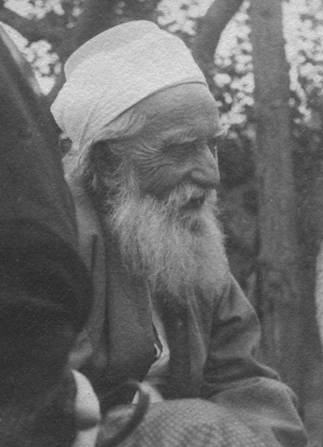
On 27 September 1912, at the Hotel Colorado in Glenwood Springs, ‘Abdu’l-Bahá walked back to the hotel and said how nice it would be to eat in the gardens. The hotel manager, who recognized ‘Abdu’l-Bahá from the Denver newspapers, immediately brought out a large table and chairs. Saichiro Fujita, the young Japanese believer traveling with the party, remembered that there were only five chairs at the table. When ‘Abdu’l-Bahá asked why there was no chair for Fujita, the waiter said, "Well, he is your servant." ‘Abdu’l-Bahá then said, "That doesn't matter. Make another place. It doesn't make any difference whether servant, or different color. We are all one. He should sit there, and Fujita come here."
"It was so beautiful. And all the Persians, five of them, around. And so, then the waiter was very much surprised," remembered Fujita later.
Source: Earl Redman, ‘Abdu’l-Bahá in Their Midst, p. 207; the lunch in the hotel garden is also recorded in Mahmúd’s Diary, 27 September 1912.
Collected from bahaistories.com (Subject: race-unity).
Cite this story
Various. *bahaistories.com archive*. https://bahaistories.com/subject/race-unity
Record yourself reading this story
Recording stays on this device only. Nothing is uploaded.
Related stories
A Day of Rest at Glenwood Springs
Worn out by the train journey from Denver in September 1912, ‘Abdu’l-Bahá stopped at Glenwood Springs, bathed in the hot springs with His companions and said He was relieved of fatigue.
Fujita’s Watermelon
At Glenwood Springs, Colorado, in 1912, Saichiro Fujita brought a big watermelon back to ‘Abdu’l-Bahá. The Master began eating it at once with His hand, declining a knife and fork, and it was shared with all the Bahá’ís.
A String of Pearls and Rubies
In Washington in April 1912, ‘Abdu’l-Bahá, though weary, was so moved by the love between Black and white friends at the Dyers’ home that He spoke, likening their union to a string of pearls and rubies.
The Dust on the Wife's Shoes
With a smile, ‘Abdu’l-Bahá told a group in America of a wife who had her husband wipe the dust from her shoes but did not do the same for him, and urged the ladies sometimes to stand up for the rights of men.