Lua Getsinger's Letter from India
Star of the West Editors, Star of the West, (1914), Bahai News Service · Read original
When in Bahá'í history
Bombay (today: Mumbai, India)
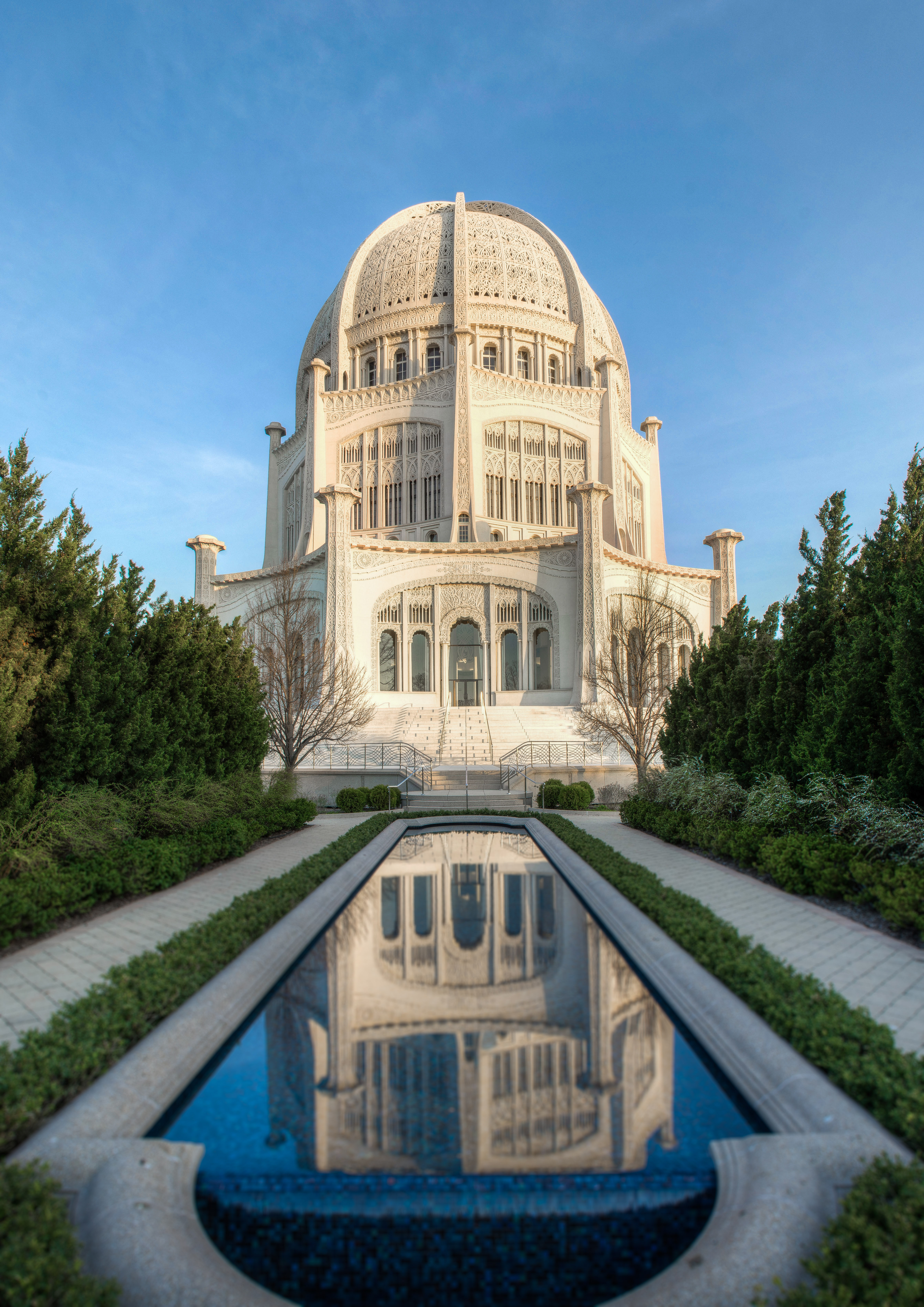
Lua Moore Getsinger had been called by 'Abdu'l-Bahá the Mother Teacher of the West. By 1914 she had already given the better part of two decades to the service of the Cause — first in California, then on long teaching tours across the United States, then in several pilgrimages to 'Akká, and finally in the journey she herself called the great commitment: a teaching tour through the East, beginning with Egypt and reaching, by the spring of 1914, the great port city of Bombay on the western coast of British India.
The Star of the West, in its issue dated the seventeenth of May 1914, printed an extract of a letter she had written home from Bombay. The editors framed the extract briefly and then let Lua speak in her own voice.
I am here in His Name and for His sake.
The sentence carried, for the friends who read it in Chicago and New York and San Francisco, more weight than its eight short words might at first suggest. India was not, in 1914, an easy destination for an American woman travelling without a husband or an organization behind her. Lua had no salary, no missionary society, no fixed itinerary. What she had was the love of 'Abdu'l-Bahá and the conviction that He had sent her, and that the small Bahá'í community of India, scattered across Bombay, Karachi, Poona and a few other cities, needed visiting.
The letter went on to describe her meetings — gatherings in private homes, talks in small public halls, contact with the leading Parsis and Hindus of Bombay who were already curious about the Faith. She named some of the believers, with their addresses, so that other Americans considering the Indian field might write to them directly. She asked for prayers. She did not ask for money.
The Star of the West placed the letter beside other reports from Burma, from Russian Turkistan, from China — the editorial gesture of saying to the American friends: the work you sent your sister to perform is being performed; here is the sound of it from the field. Within a year of the letter Lua would be in Egypt, where she would die, in May 1916, in a hotel in Cairo without family near her. Her grave is in the Bahá'í cemetery there. The letter from Bombay, printed in the Star of the West, is one of the small written records that survive of the woman whose service across two continents 'Abdu'l-Bahá would mark by giving her the name Mother Teacher.
Source: Star of the West, Volume 5, letter extract from Lua Getsinger written from Bombay, India, 1914. Public domain text from bahai-library.com.
Cite this story
Editors, S. O. T. W.. (1914). *Star of the West*. Bahai News Service. https://bahai-library.com/star_of_the_west_volume_5
Record yourself reading this story
Recording stays on this device only. Nothing is uploaded.
Related stories
Lua Getsinger: The Mother-Teacher of the West
Bahá'í Chronicles preserves the biographical record of Lua Aurelia Getsinger — the radiant Tennessee farm girl who, after the 1898 pilgrimage of fifteen Westerners to 'Akká, became the most celebrated travel-teacher of her generation, and whom 'Abdu'l-Bahá named *Livá* — *the Banner-Bearer.*
The Banner-Bearer
A farm girl named Lua loved the Bahá'í Faith so much that she carried it from town to town across a whole country, and 'Abdu'l-Bahá gave her a special name.
Lua Getsinger \x96 spiritual mother of both Mrs Hearst and May Bolles
Lua Getsinger spiritual mother of both Mrs Hearst and May Bolles (Maxwell) was a member of a pilgrim group, late in 1898. For the following eighteen years she returned time and again to ‘Akka and Haifa. ‘Abdu’l-Bahá entrusted her…
The Banner-Bearer Before a King: Lua Getsinger and the Sháh
When the Sháh of Persia came to Paris in 1902, 'Abdu'l-Bahá charged the young American teacher Lua Getsinger to carry to him a message protesting the persecution of the Bahá'ís in his realm. She — a farmer's daughter with no rank and no standing — found her way to the monarch and delivered the Master's word, a single act of bold testimony that earned her the name of Banner-Bearer.