You Were Earthly, We Wanted You Heavenly
bahaistories.com archive · Read original
When in Bahá'í history
London (today: London, UK)
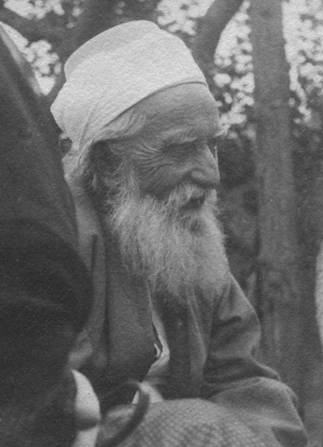
One day in London the Master gave His listeners an unusual, imaginative, yet realistic dialogue between the Prophets and men: ‘Always, man has confronted the Prophets with this: “We were enjoying ourselves, and living according to our own opinions and desires. We ate; we slept; we sang; we danced. We had no fear of God, no hope of Heaven; we liked what we were doing, we had our own way. And then you came. You took away our pleasures. You told us now of the wrath of God, again of the fear of punishment and the hope of reward. You upset our good way of life.” ‘The Prophets of God have always replied: “You were content to stay in the animal world, We wanted to make you human beings. You were dark, We wanted you illumined; you were dead, We wanted you alive. You were earthly, We wanted you heavenly.”’
Source: Honnold, Annamarie, Vignettes from the Life of ‘Abdu’l-Bahá, p. 141
Collected from bahaistories.com (Subject: tests).
Cite this story
Various. *bahaistories.com archive*. https://bahaistories.com/subject/tests
Record yourself reading this story
Recording stays on this device only. Nothing is uploaded.
Related stories
Little by Little, Day by Day
Florence Khánum recalls two sayings of ‘Abdu’l-Bahá: “Be patient, be as I am,” and, to someone discouraged about acquiring every virtue, “Little by little; day by day.”
Little by Little, Day by Day
When a discouraged believer despaired of ever acquiring the virtues Bahá'ís are required to possess, 'Abdu'l-Bahá answered with the greatest compassion and encouragement: "little by little; day by day."
Wrongs Forgiven, the Faith Protected
When a Bahá’í spoke up for a young Persian, ‘Abdu’l-Bahá explained that He would overlook any wrong done to Himself, but could never countenance or aid a deed that would injure the Faith.
The Anticipation of Liberation
Laura Dreyfus-Barney recalled a day in ‘Akká when ‘Abdu’l-Bahá, looking out over the Mediterranean, spoke of how wonderful it will be to be liberated from the body and fly throughout the universe.