True Knowledge at Green Acre
bahaistories.com archive · Read original
When in Bahá'í history
Green Acre, Eliot, Maine (today: Eliot, Maine, USA)
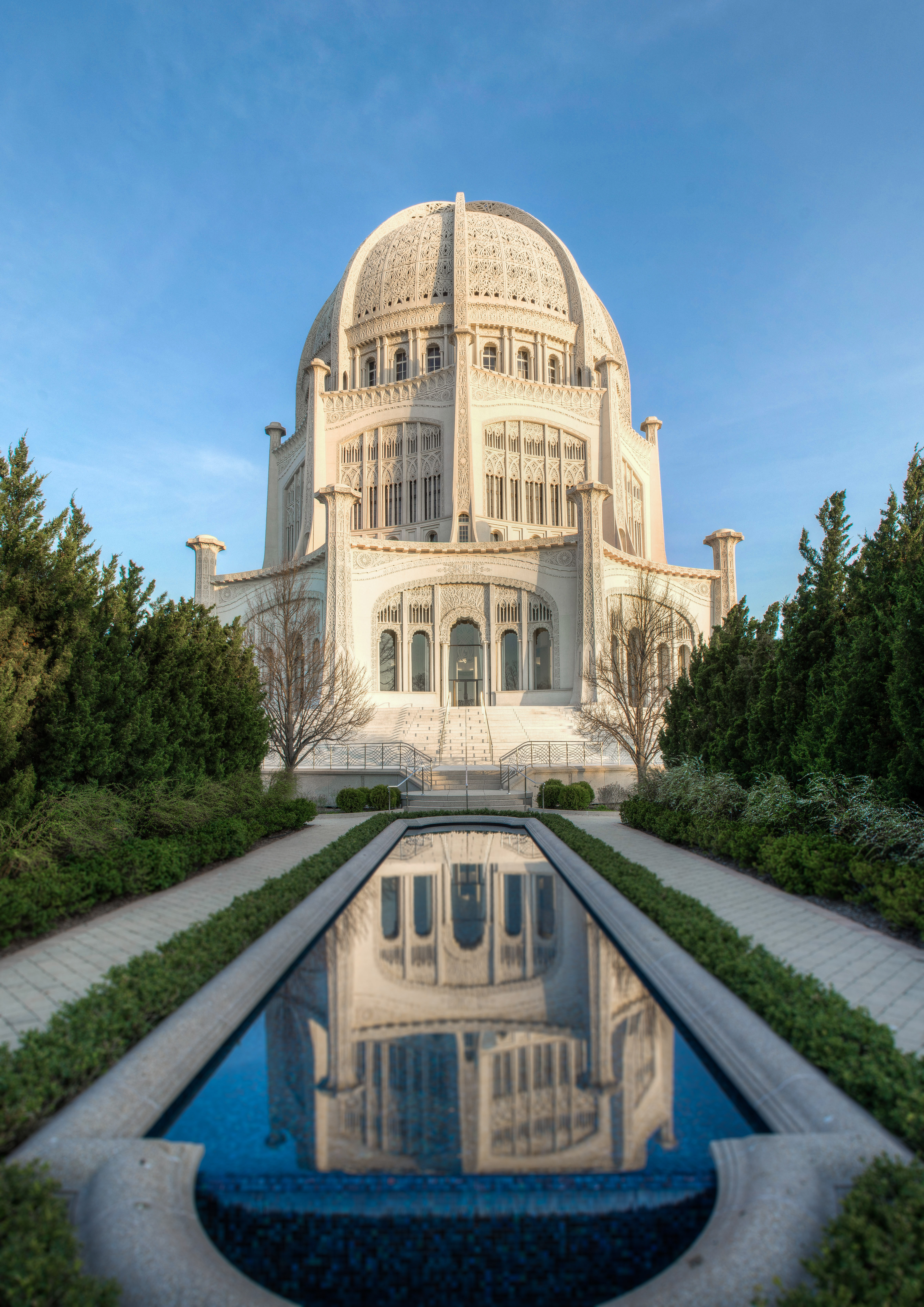
On 17 August 1912, at Green Acre in Eliot, Maine, ‘Abdu’l-Bahá spoke of true knowledge:
The physical beauty of this place is very wonderful. We hope that a spiritual charm may surround and halo it; then its beauty will be perfect. There is a spiritual atmosphere manifest here particularly at sunset.
In cities like New York the people are submerged in the sea of materialism. Their sensibilities are attuned to material forces, their perceptions purely physical. The animal energies predominate in their activities; all their thoughts are directed to material things; day and night they are devoted to the attractions of this world, without aspiration beyond the life that is vanishing and mortal. In schools and temples of learning knowledge of the sciences acquired is based upon material observations only; there is no realization of Divinity in their methods and conclusions—all have reference to the world of matter. They are not interested in attaining knowledge of the mysteries of God or understanding the secrets of the heavenly Kingdom; what they acquire is based altogether upon visible and tangible evidences. Beyond these evidences they are without susceptibilities; they have no idea of the world of inner significances and are utterly out of touch with God, considering this an indication of reasonable attitude and philosophical judgement whereof they are self-sufficient and proud.
As a matter of fact, this supposed excellence is possessed in its superlative degree by the animals. The animals are without knowledge of God; so to speak, they are deniers of Divinity and understand nothing of the Kingdom and its heavenly mysteries. As deniers of the Kingdom, they are utterly ignorant of spiritual things and uninformed of the supernatural world. Therefore, if it be a perfection and virtue to be without knowledge of God and His Kingdom, the animals have attained the highest degree of excellence and proficiency. Then the donkey is the greatest scientist and the cow an accomplished naturalist, for they have obtained what they know without schooling and years of laborious study in colleges, trusting implicitly to the evidence of the senses and relying solely upon intuitive virtues. The cow, for instance, is a lover of the visible and a believer in the tangible, contented and happy when pasture is plenty, perfectly serene, a blissful exponent of the transcendental school of philosophy. Such is the status of the material philosophers, who glory in sharing the condition of the cow, imagining themselves in a lofty station. Reflect upon their ignorance and blindness.
Nay, rather, the virtue of man is this: that he can investigate the ideals of the Kingdom and attain knowledge which is denied the animal in its limitation. The station of man is this: that he has the power to attain those ideals and thereby differentiate and consciously distinguish himself an infinite degree above the kingdoms of existence below him.
Source: ‘Abdu’l-Bahá, The Promulgation of Universal Peace, talk at Green Acre, Eliot, Maine, 17 August 1912 (notes by Edna McKinney); also quoted in Earl Redman, ‘Abdu’l-Bahá in Their Midst, pp. 167–68.
Collected from bahaistories.com (Subject: scientists).
Cite this story
Various. *bahaistories.com archive*. https://bahaistories.com/subject/scientists
Record yourself reading this story
Recording stays on this device only. Nothing is uploaded.
Related stories
Knowledge and Deeds
Although a person of good deeds is acceptable at the Threshold of the Almighty, yet it is first “to know,” and then “to do.”
The Divine Standard of Knowledge
During my visit to London and Paris last year I had many talks with the materialistic philosophers of Europe.
The Kingdom of Man
Know that people belong to two categories, that is to say, they constitute two parties.
The Origin of Man
Know that it is one of the most abstruse spiritual truths that the world of existence, that is to say this endless universe, has no beginning.