Flour Instead of Bread
bahaistories.com archive · Read original
When in Bahá'í history
Tihrán (today: Tehran, Iran)
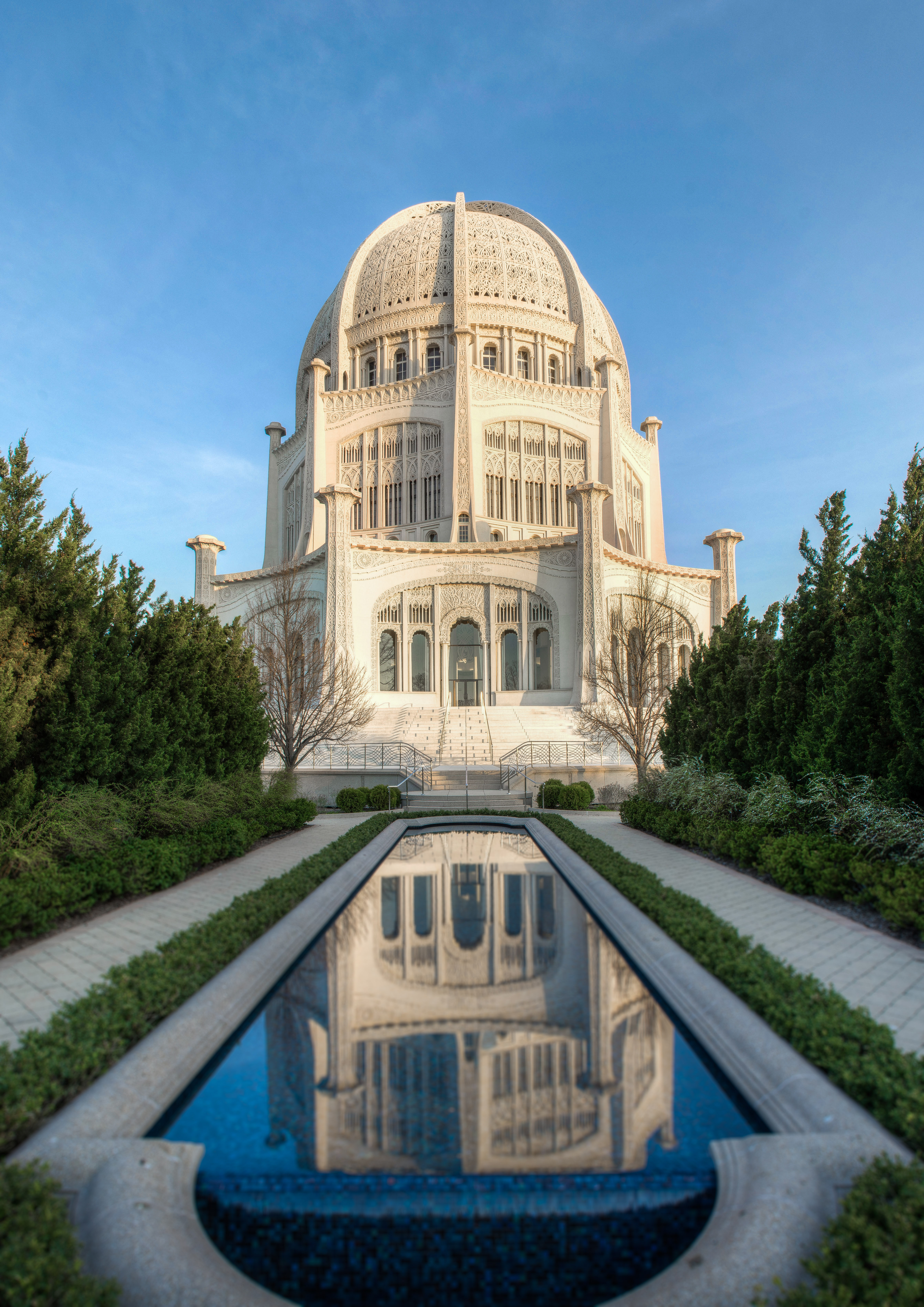
In Europe, on one occasion, remembering the desperate days in Ṭihrán when Bahá’u’lláh was incarcerated, their home sacked and their properties confiscated, ‘Abdu’l-Bahá could yet say, “Detachment does not imply lack of means; it is marked by the freedom of the heart. In Ṭihrán, we possessed everything at a nightfall, and on the morrow we were shorn of it all, to the extent that we had no food to eat. I was hungry, but there was no bread to be had. My mother poured some flour into the palm of my hand, and I ate that instead of bread. Yet, we were contented.”
Source: Honnold, Annamarie, Vignettes from the Life of ‘Abdu’l-Bahá, p. 164
Collected from bahaistories.com (Subject: contentment).
Cite this story
Various. *bahaistories.com archive*. https://bahaistories.com/subject/contentment
Record yourself reading this story
Recording stays on this device only. Nothing is uploaded.
Related stories
Chased Through the Streets of Tihrán
In 1852, after Bahá'u'lláh's imprisonment, His family was left without food. 'Abdu'l-Bahá later recalled being sent as a child to His aunt for a few coins, and being recognized as a Bábí and chased and stoned by children.
The Life of Táhirih
‘Abdu’l-Bahá’s memorial of Táhirih: the learned woman of Qazvín who recognized the Báb, taught boldly in Karbilá and Baghdád, appeared unveiled at Badasht, and was put to death in Tihrán.
Isfandíyár, the Faithful Servant
While Bahá'u'lláh was imprisoned in the Síyáh-Chál, His servant Isfandíyár, though hunted by a hundred officers, found the scattered family and refused to flee until he had paid every debt of the household.
Walking the Young ‘Abdu’l-Bahá to School
In Ṭihrán around 1850, the young Nabíl was asked to take six-year-old ‘Abdu’l-Bahá to school; the child took his hand and said, “We shall walk together.”