What Makes a Worthy President
bahaistories.com archive · Read original
When in Bahá'í history
Pleasanton (today: Pleasanton, California, USA)
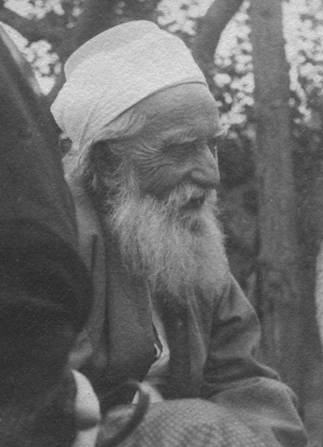
‘Abdu’l-Bahá was in California in 1912—a presidential election year. One October morning this election was mentioned during a conversation. The Master commented: “The president must be a man who is not hankering for the presidency. He should be a person free from all thoughts of name and fame; he must think himself unworthy of the rank; and should say that he thinks himself unfit for the place and unable to bear this burdensome duty … If the public good is the object, the president must be a person sensitive to the public weal and not a selfish and self-seeking one.”
Source: Vignettes from the Life of ‘Abdu’l-Bahá (Annamarie Honnold), p. 122; see also Mahmúd’s Diary, 14 October 1912 (Pleasanton).
Collected from bahaistories.com (Subject: elections).
Cite this story
Various. *bahaistories.com archive*. https://bahaistories.com/subject/elections
Record yourself reading this story
Recording stays on this device only. Nothing is uploaded.
Related stories
The Master Arrives in Denver
After a sleepless night on the train, ‘Abdu’l-Bahá reached Denver on 23 September 1912. Within hours He was meeting reporters, and that evening He spoke to a crowded gathering at the home of Mrs. Roberts.
From Famine Relief to Knighthood
Before the First World War ‘Abdu’l-Bahá had villagers grow and store corn, which fed the poor of Haifa and ‘Akká through the famine years. After the British occupation He was knighted, in April 1920.
Refuge at Abú-Sinán
When war came in 1914, ‘Abdu’l-Bahá moved the Bahá’ís of Haifa to the Druze village of Abú-Sinán, where vegetables He had taught them to grow and corn from ‘Adasíyyih kept many from hunger.
Caring for the Sick
‘Abdu’l-Bahá visited the sick, sent daily to ask after them, and quietly paid a doctor to care for the poor of ‘Akká. When a poor, crippled woman with measles was shunned, He arranged her care and, at the last, her funeral.